Because nothing cheers me up quite like cats, here is some feline therapy.


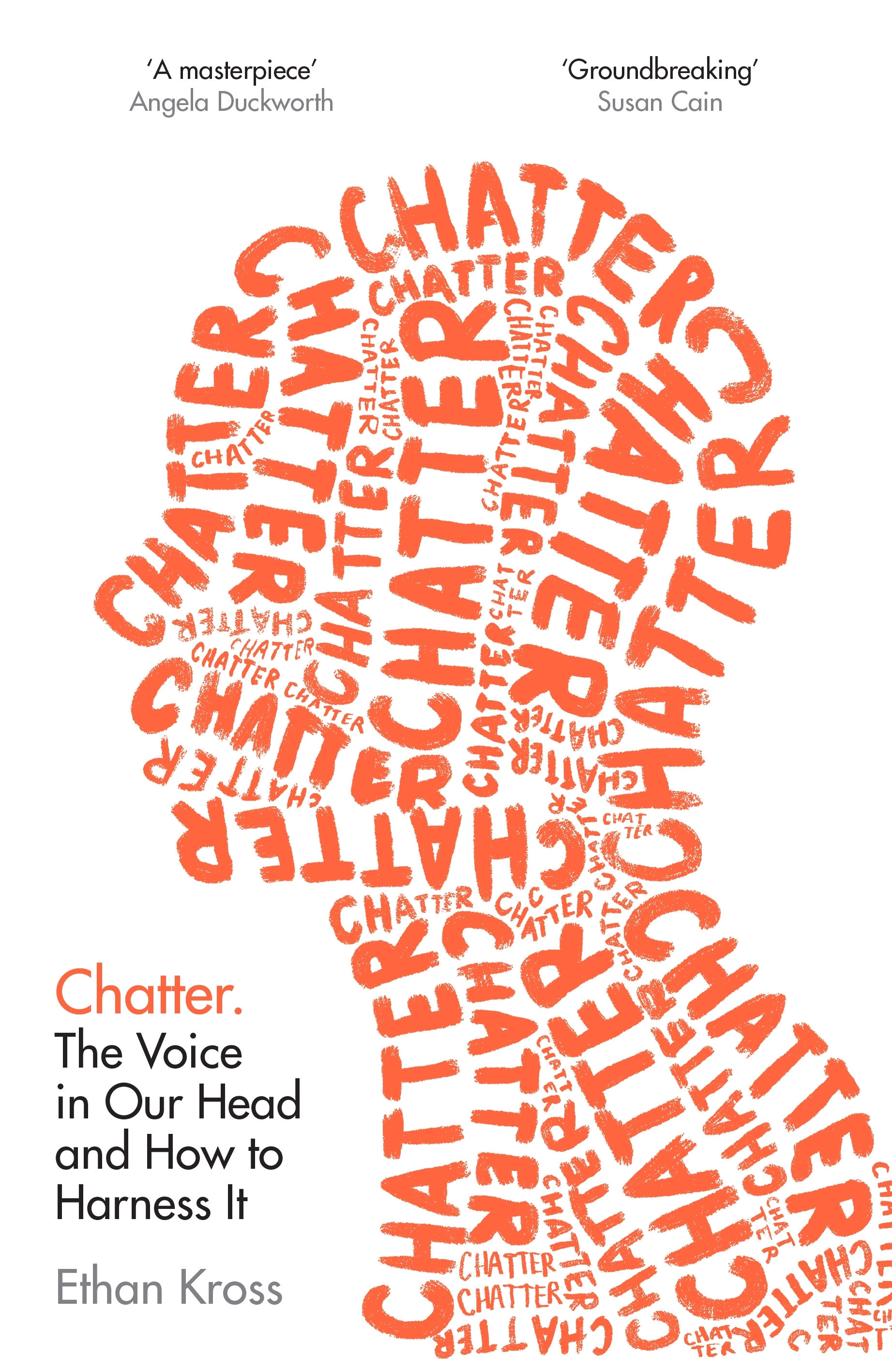
Talking to others and sharing events can be helpful. It can ‘normalise’ an experience and help a person appreciate that they are not alone. But Kross cautions that we use this sharing function with care and choose the people to whom we discuss issues on a strategic basis. If we rant at our friends about ourselves all the time, they will become disillusioned and uninterested, and feel they have not been heard or supported.
It is important to be able to share, and our support networks are crucial, but if we overshare, not only are we likely to annoy others, we can get caught in a self-destructive feedback loop, especially if we choose the ‘wrong’ people. “Other people can be a tremendous asset, but more often than we realise, they can be a liability too.” While talking about adverse events, we can focus more on the need to repeat and be heard than the need to address the issue and move on.

This process is called co-rumination in which we seek validation from others and it is harmful because, “when we’re upset, we tend to overfocus on receiving empathy rather than finding practical solutions.” While this may briefly feel good, it isn’t useful in the long-term. Naturally, this creates a vicious cycle and one in which it is easy to get stuck. And nowhere does this have greater effect than on social media, which has given us a much wider audience.

One of the ways we can manage these emotions and internal voices is to
distance ourselves from them through mental time travel or the simple technique
of journaling. Asking people to write about their most upsetting negative
experiences for fifteen to twenty minutes leads them to feel better, visit the
doctor less, and have healthier immune function. “By focusing on experiences
from the perspective of a narrator who has to create a story, journaling
creates distance from our experience. We feel less tied to it.”
Mental, physical and emotional welfare can be improved by simply getting
out into nature. As well as the health benefits of fresh air and exercise, this
is also due to experiencing the phenomenon of awe: “the wonder we feel when we
encounter something powerful that we can’t easily explain.” It can be
instigated by viewing a sunset or a mountain range and it is considered a
self-transcendent emotion in that it allows people to think and feel beyond
their own needs and wants.

Marie Kondo fans would be pleased to hear Kross state that imposing
order on our environment can help reduce anxiety by getting rid of clutter. “The
fascinating thing about seeking compensation for chaos in one area (that is,
our minds) by creating order in another (that is, the physical environment) is
that it doesn’t even have to have anything to do with the specific issue that
is throwing off our inner voice.” It’s a relatively easy thing to tidy a desk,
and it can have a highly positive result. Imposing order on situations is the
function of rituals, which have a crucial underlying purpose. They reiterate
the values of our community and help us to transcend our own concerns,
connecting us with forces larger than ourselves.

Gavin Francis’ memoir about the outbreak of the coronavirus pandemic provides a fascinating first-hand account of how the medical profession dealt with the infection in the face of changing priorities and conflicting information. As a GP in Edinburgh, he also writes proudly of the city’s history, particularly in terms of medical science, and how that relates to current procedures. Published in 2021, this takes a contemporary view of the situation, and certain cautionary tales have proved true in upsetting ways, such as the prioritising of physical health to the detriment of mental health, and the long-term effects of this approach.
We have become inured to the word ‘unprecedented’ –
indeed a popular internet meme reads ‘I could really go for some precedented
times’ – but the pace of the spread of the virus was extraordinary. Francis
writes, “In the space of days, what had seemed like a surreal joke became reality.”
Originally doctors were ‘assured’ there was no evidence of human to human
transmission, but within weeks the guidelines changed. Doctors dealt with
uncertainty, lack of clear messaging and trying to allay fears as well as treat
illness.
Of course things are more obvious with hindsight
(although this book is written only halfway through the pandemic), and Francis
is cautious with his criticism of the politics involved, but he is clearly
frustrated about the lack of guidance. He believes that social distancing
measures should have been introduced as soon as it became clear that the virus
could spread through contact, but understands the hesitancy. While health is
his priority – he is a doctor after all – he understands that not everyone will
react in the same way. While noting enforced quarantines overseas, he is aware
this would be problematic at home. He further appreciates the dichotomy between
the suffering of the global economy compared with the recovery of the
environment.
There are one or two positives to be drawn from the
response to the pandemic, as Francis clutches at straws of hope, such as the
speed of the response to the homeless crisis, and the recalibration of which
jobs are important, “as if all the old hierarchies were being pushed aside and
new possibilities were emerging.”
Some people found that after years of agoraphobia and
anxiety, they now felt better as they were not pressured into going out and
doing things: introverts were more accepted and acceptable. On the other hand,
however, strides taken in the advance of understanding of mental health were
now being pushed back. As a GP, his job is to attend to all aspects of his
patients’ health, and he finds the crisis causing phenomenal mental health
consequences. “Some days every call I took was about loneliness, self-harm,
anxiety, panic attacks.” The lockdown may have slowed the pace of transmission,
but it provoked “a silent epidemic of despair: panic and anxiety are the virus’s
dark refrains, a second pandemic leaching into everyone’s lives.”
Francis writes of the history of epidemics and how
public health awareness is the greatest weapon against disease. “More lives
have been saved though better housing, sanitation and vaccination than were
ever saved by a surgeon’s knife or a physician’s drugs.” He also writes of the development
of vaccines and the public attitude to them, both contemporary and historic: it
turns out the anti-vax movement is nothing new.

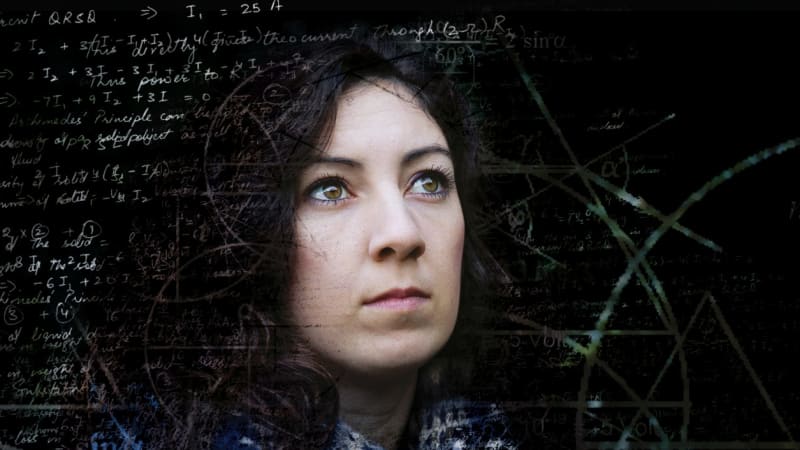 |
| Ylaria Rogers as Catherine in Proof |
 |
| Alexander Brown as Hal and Ylaria Rogers as Catherine |
