When I returned to Australia after five weeks in Europe, I thought I would have a slow Sunday of reading the paper in the pub and catching up with local news and events. I forgot that the selection of Sunday papers in this country is strictly limited to a tabloid gutter-press and right-wing Murdoch-owned subsidies of an American mass-media cartel.
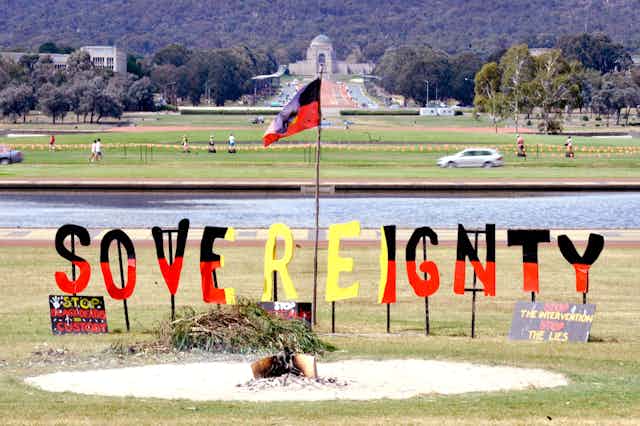
So, I was stuck with The Weekend Australian from which I learned that the country is up in arms over The Voice referendum, which seeks to give Indigenous Australians representation in the constitution. Apparently it is divisive and unclear, although how they reach that conclusion is difficult to say as they also argue that the government has not released enough detail about something which will make the people 'bound in perpetuity'.
Many other articles criticise Stan Grant, who questioned the role of the monarchy in contemporary Australia during the coverage of King Charles III's coronation on the ABC network, the country's national broadcaster, principally funded by direct grants from the Australian Government and administered by a government-appointed board. Opinion pieces opine that Stan Grant is out-of-step with public opinion and this six-and-a-half-hour broadcast was not the place to raise this issue. It doesn't help The Australian's cause that the multi-award-winning journalist Stan Grant is a proud Wiradjuri man. He has since quit television-hosting duties in response to online racist abuse over his coronation comments about historic Aboriginal dispossession. The Australian does not suggest when would have been a good time to make these comments.
Without a hint of irony or awareness of hypocrisy, other articles claim that police tactics over COVID-19 were regressive as they shut down free speech based on questionable science. The Australian thinks there should be an inquiry into why people's Twitter comments were shut down. Speaking your mind in a time of great uncertainty in the midst of a pandemic with the potential of whipping up hysteria and pandemonium is clearly fine - as long as your view is individualist and supports capitalism.
There is much frothing at the mouth about body dysmorphia, transgender popularity, and the discomfort of listening to women when they tell their stories. Brittany Higgins (a Liberal party junior staffer who alleged that she she was raped by a Minister in Parliament House) is a particular target for villification.
According to journalist Janet Albrechtsen, Brittany Higgins had a 'strategy' to go to the media first and the police second. She is the face of the #MeToo movement and, as a role model for other women, her 'tactics' 'may be mimicked by other women'. Albrechsten claims that, "Decisions by her and those around around her to air her allegation in the media have undermined key features of our criminal justice system." She continues, "The more times Higgins gave her version of events to the media, the more likely there may be inconsistencies in what she said happened."
Of course it helps The Australian to have a female reporter discrediting the words of an alleged rape victim. Albrechsten takes pot shots with sneering comments such as, "On more than a few occasions, the normal rules and sound judgements appear to have been discarded for Higgins." And she affirms this position with, "So many people in positions of power who were caught up in the hype of the Higgins media storm appeared to have made more decisions." Albrechsten appears to pander to the notion that size matters in the hunt for more column inches, and whereas I believe we should listen to women and take their accounts of abuse seriously, this article has me agreeing with one thing at least: #notallwomen
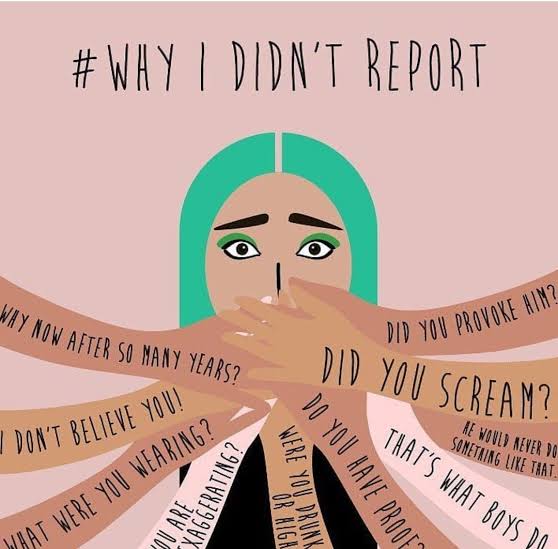
Richard Guilliatt weighs in on the debate (how is it even a debate?) by trashing as unreliable the memories of abuse victims after recovering repressed memories of trauma through a counselling technique called eye movement desentsitisation and reprocessing (EMDR) conducted by "so-called experts." He argues that, "sexual assault allegations were no taken as seriously as they should have been in the past but the public mood has shifted towards believing an allegation must be the truth." While neatly glossing over all that messy trauma, Guilliatt is upset that, "prosecutors in the current climate appear to see their role as supporting claimants rather than assessing cases on their viability." Heaven forfend any abuse victim might actually receive support as well as justice.
More examples of the smug, patronising, sexist, ageist, scaremongering, homophobic, racist tone of the paper follow. But that's just my opinion.
Dangers of AI risk smothering its benefits by Natasha Bita
I'm not saying it's alarmist but, "Like Siri on steroids, AI super-intelligence is rapidly disrupting the world of teaching and learning in ways that threaten to make reading and writing redundant." OK, so I am saying it's alarmist. The danger is, according to Bita, that "AI has caught most educators unprepared for its potential to turbo-charge teaching while giving lazy students an easy opportunity to cheat." She goes on to ask, "Will AI make students so lazy that they don't learn to think for themselves? What if AI re-writes history, spouts propaganda or 'hallucinates' by generating the wrong information?" What, like certain newspapers do now?

She warns that "schools and universities will need to change assessment methods, relying less on take-home assignments and more on supervised exams, spoken tasks, and video assessments". It's almost as if educational institutions haven't been constantly adapting and changing their assessment methods every single year anyway. While one might think that drawing attention to the digital divide is a left-wing concern and an opportunity to talk about class and wealth inequality. "All state governments have blocked ChatGTP in state schools but many private schools are embracing its use, potentially giving their students an academic headstart." However, the example used of the school that is reaping the rewards of this unfair advantage is the Islamic Collage of Brisbane, because of course, why would you miss an opportunity for ramping up a touch of Islamophobia?
Left Dangling in a climate protest crackdown by David Penberthy
David Penberthy writes about the new laws in South Australia which impose greater financial accountability on protestors, or "those causing the mayhem", His language includes describing some of said protestors as, "retiree revolutionaries", "a small but crafty band of elderly 'rebels', as the XR activists call themselves", and "XR rebel Meme Thorne, a 69-year-old actor from the hippie haven of Willunga."
Thorne abseiled down a bridge and "dangled above the traffic" in Adelaide as part of a protest against the Australian Petroleum Production and Exploration Association conference. While Penberthy makes no mention of the political motivation of this group, apart from the glib "in defence of Mother Earth", he expands upon the potential threat to the good citizens of Adelaide. "Her actions brought the city to a halt for an hour, even preventing some patients from making appointments at the Royal Adelaide Hospital".
The tone is exasperated and patronising, hiding a credible death threat behind an attempt at blokish banter. "Capturing the frustration of South Australians, Police Commissioner Grant Stevens spoke for many when he said dryly: 'The ropes are fully extended across the street so we can't, as much as we might like to, cut the rope and let them drop.'"
In response, Opposition Leader David Spiers, announced on talkback radio proposed amendments to the Summary Offences Act, increasing fines for such protests from $750 to $50,000 or three months' imprisonment. "It was a hitherto unseen moment of gut-instinct politics from the new SA Liberal leader and was lapped up by talkback listeners, many ringing in with messages of support from inside their stationary cars." Do we really want policy to be decided by knee-jerk reactions and people who lap things up like dogs and make phone-calls while driving?
Surprising life of the accidental president - review by Troy Bramston
In an article about a new book, An Ordinary Man: The Surprising Life and Historic Presidency of Gerald R Ford by Richard Norton Smith (in which Smith describes Ford as being "charismatically challenged"), the reviewer, Troy Bramston adds this reflection:
"You can pass judgment on Ford or any other president by any standards you want, including contemporary standards. But it seems to me that you can only understand Ford or any other president or any other difficult decision, by immersing yourself in the context of the time."
Harpy Daniels wants YOU: US military goes for woke by Adam Creighton, Washington Correspondent
US Navy Yeoman 2nd Class Joshua Kelley appeared in persona as drag queen Harpy Daniels in a TikTok video encouraging young Americans to join the service. Creighton reports that, "Republican senators, former marines and much of the American public were shocked that the navy employed drag queens, let alone endorsed them to boost recruitment." Except, it doesn't. Kelley may be employed by the US Navy but, as the articles admits, this was not a sanctioned video. "The navy, which at first defended the promotional decision publicly, later denied Kelley was part of any formal program."
It transpires that the US military is struggling to meet its recruitment targets. "The US military, which has about 1.35 million active-duty personnel spread across the navy, air force, army, marine and space forces, requires more than 155,000 new recruits this year to replace departing personnel." Apparently this tough recruitment environment is comprised of "a perfect storm of low unemployment and steadily declining patriotism, fitness and interest among young Americans. Covid-19 made all this even worse."
Many young people are rejecting active military service because they don't see a need to ask what they can do for their country. "A prominent survey of Americans published in the Wall Street Journal in March revealed a huge drop in traditional values - patriotism, religion, family, community service - since 1998, especially among young people. Overall, only 38 per cent of respondents said patriotism mattered, down from 70 per cent."
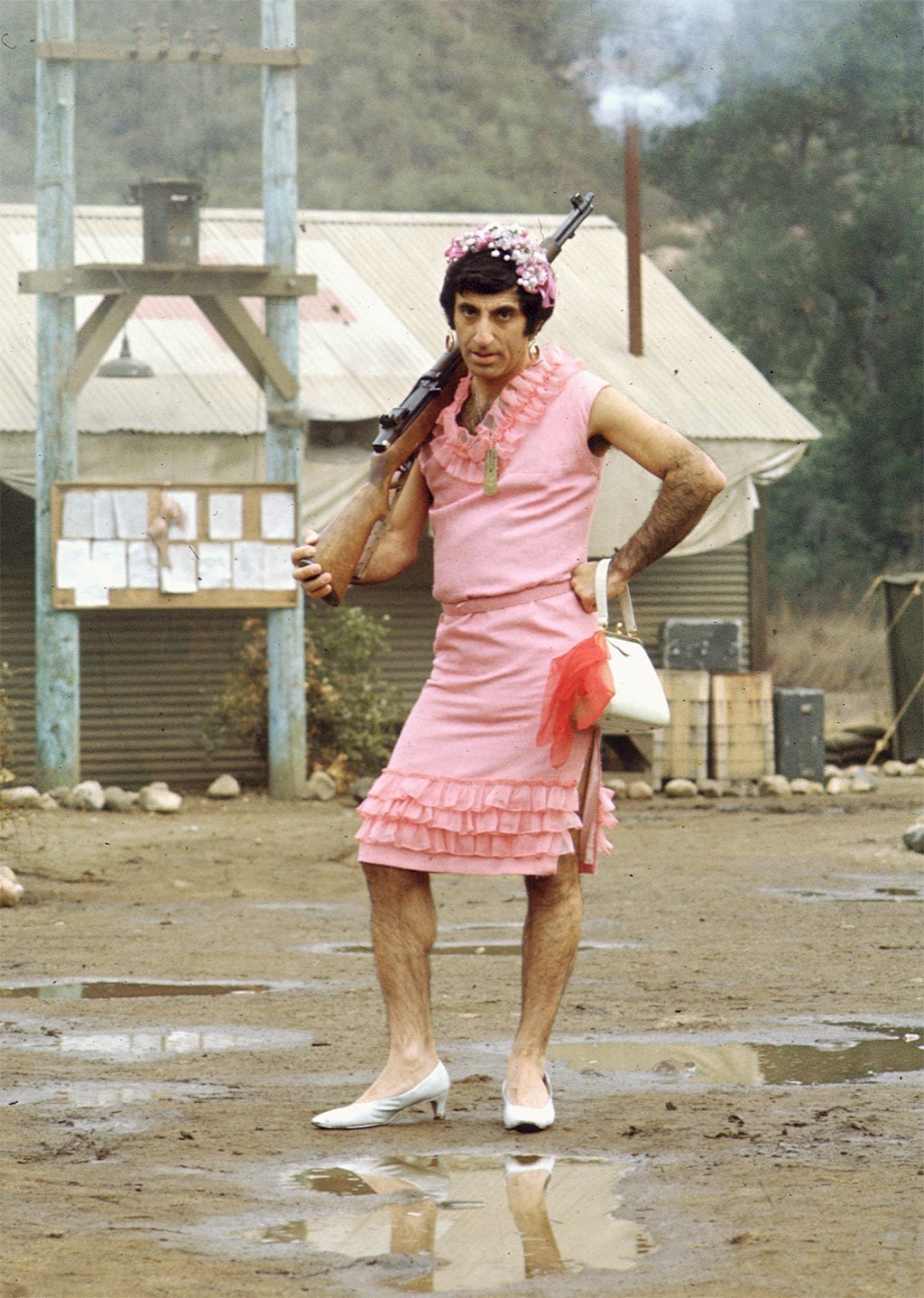
In an outstandingly hypocritical swipe at the audacity of young folk to want decent compensation for their labour, the article goes on, "The only priority the Journal tested that has grown in importance in the past quarter-century is money, which was cited as very important by 43 per cent in the new survey, up from 31 per cent in 1998, the paper said, in what was a depressing read for anyone with traditional values." Well, curse those young people for needed money to survive in a consumerist world of high rent, fuel and commodities of someone else's making.
Could it be possible that environmental factors and toxic politics have leached the sense of service from young men? Being told what to do without rhyme or reason is unappealing. This would indicate that the conservative role model is failing to attract young folk, and the 'values' of docile following of a capitalist construct is no longer something towards which they slavishly aspire. But sure, blame the drag queen. Perhaps Kelley should change their moniker to Red Herring.
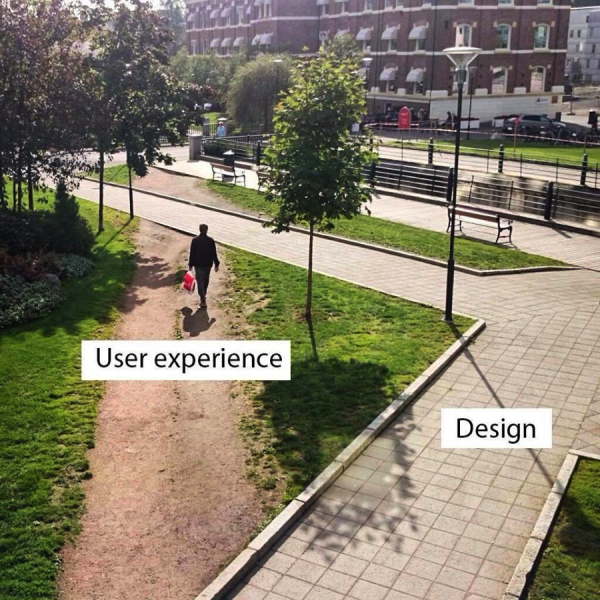
Urban planning design transformed post-COVID by Bernard Salt
It's well written and well argued, and it definitely wants to give power to the individual and wrest it away from the 'nanny state'. Might that be because individuals can be persuaded to do what they are told, while collectives can stir up trouble for corporations? It starts out well, as Salt claims, "It makes sense that Australia, a nation largely founded on immigration [once again, the Indigenous contribution to nationhood is completely overlooked, but that's a whole different Stan of Grants], should evolve as a proving ground for town planning. Since European settlement we have created new cities and accommodated urban growth on a vast scale. And there is every reason to expect our cities to grow further in the years ahead."
He can't resist a dig, however; "Modern homes typically have water tanks which (notionally) reduce demand for municipal water supplies. Solar panels and battery storage also shift responsibility for power generation and storage from the collective to households. It's all done to help the environment, of course, but it also has the advantage of freeing up funds that in a previous era would have been directed to creating public assets." This is a hugely selfish way of looking at things that supports the wealthy individual who can, and leaves those who can't afford such modifications out in the cold.
We can make people responsible for their own amenities and claim it is all in their best interests. "Knowledge workers living and working together in the dense inner city generate a frisson that creates entrepreneurial and/or economic activity. This idea supports the argument for density. But the pandemic unleashed powerful new forces that challenge the logic of how a city should operate. The reign of the knowledge worker is giving way to new roles such as carers, who live and work mostly in the suburbs. Plus there is a proportion of people who will work from home several days a week." Yes,this doesn't mean they don;t want city amenities or public transport, and it doesn't support any user-pays theory. If you can't pay; you can't use them. That doesn't mean you don't want to.
"I think the narrative of city life is changing in the post-pandemic era. Our priorities have shifted towards security and the home, and our tolerance for commuting has lessened... It suggests a rising empowerment of moderately skilled workers based in the suburbs and regions, who, therefore, should have a greater say in how collective resources might be allocated." In other words, keep people in their homes, don't encourage them to become involved in community enterprises, and you won't have to build any facilities or infrastructure, unless people are prepared to pay for it themselves. Sorted.