Showing posts with label Royal Shakespeare Company. Show all posts

Wednesday, 15 April 2020

COVID-19: We Aren't Gathered Here Together


Last weekend it was Easter. I am a 'wishy-washy Anglican' (not actually my words, but I have been called thus) and only really attend Church at the major religious festivals - Christmas, Easter and Whitsun being the big dates in my calendar. Of course, this year I could not go to Church - no one can - and I missed it. I missed singing the songs and saying the prayers; I missed turning to my fellow members of the congregation and wishing them peace and good will. And I missed them doing the same for me. I missed that communal feeling.

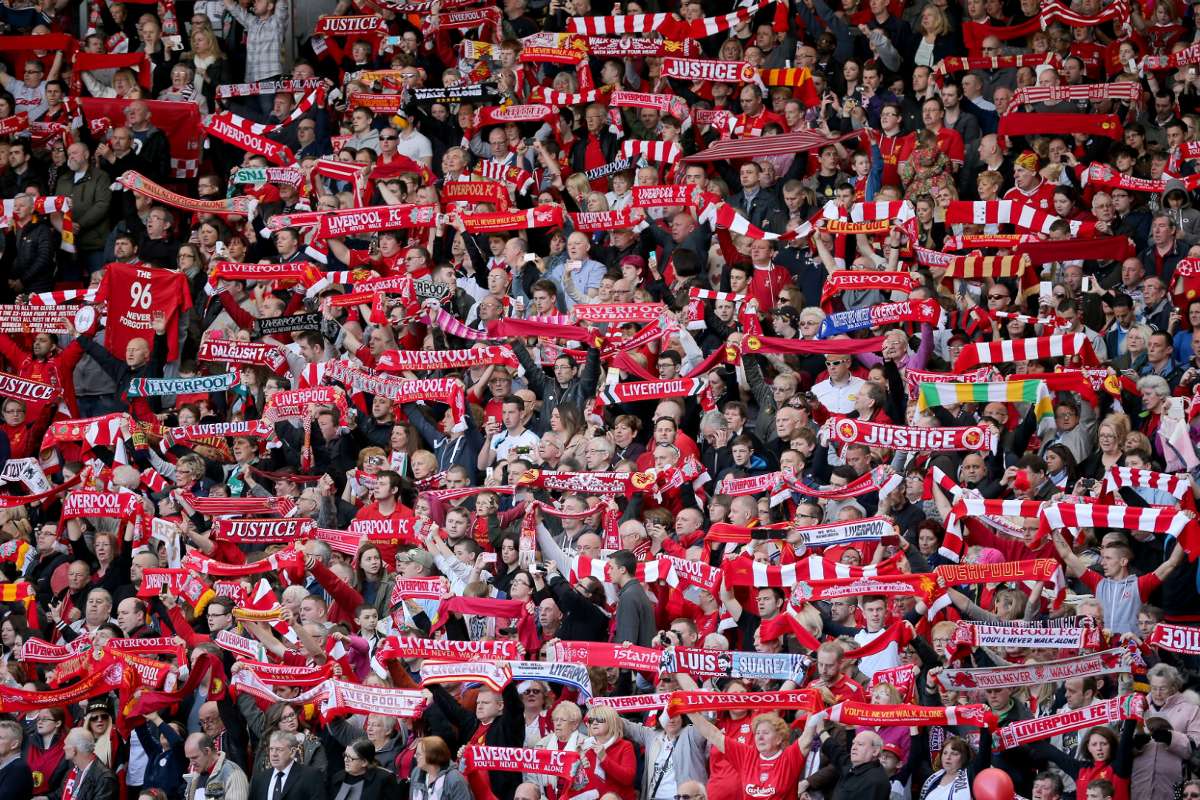
For the same reason, I love watching sports and theatre; I enjoy a shared experience. Knowing that you feel the same thing as others is a wonderful thing. When I breathe in the hallowed turf of Anfield, it is a spiritual moment; all the home players and supporters know what I mean - we stand and sing together and no one cares how out of tune we are; we are in time. Our time. Any true fan will tell you the same (although they will worship at a different shrine). 


When the curtain raises on the stage and everyone takes a collective breath, we are all waiting to see what unfolds together. This moment will never be repeated - every performance is different - and we know we are privileged to witness it. And when the curtain falls and people applaud, they do it together. I have been part of a cast that received a standing ovation. It was magical and unforgettable. We did it for the audience and the audience appreciated us; and we were one. It was incredible.

I like listening to a band, but I prefer going to a gig or a festival. I don't need to then hear this gig again; I'm not a fan of live albums because generally the sound quality isn't as good, and the whole point is the being there. I am pleased the National Theatre, The Globe and the RSC are screening some of their performances so we can all enjoy things that we couldn't otherwise see - but we are still watching them alone. The roar of the greasepaint and the smell of the crowd is missing. (Yes, that was deliberate.)

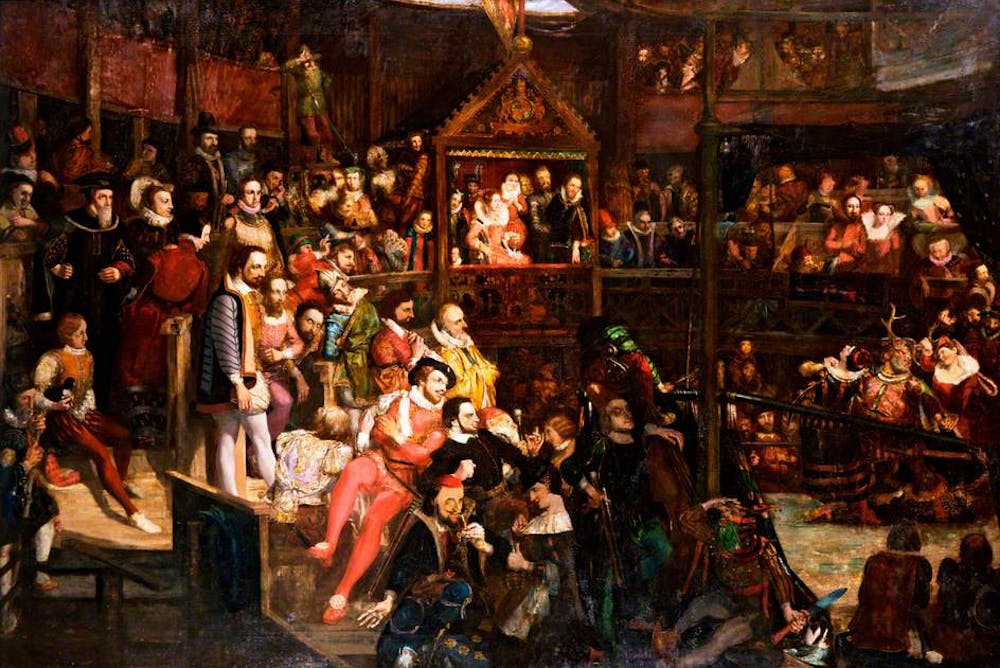
'Queen Elizabeth viewing the performance of The Merry Wives of Windsor, at the Globe in Merrie England' by David Scott
I like a drink as much as the next person. But there's a reason I go to pubs and clubs, even if the beer is often ridiculously overpriced. I like the atmosphere of sharing things with like-minded folk. Restaurants and cafes are better when they're busy (not cramped and heaving full, but with a low-level hum of noise). Silence is good when it is shared. Have you had a moment's silence in public? Then you know what I mean: there is nothing more moving than a collective memorial. 

Over the last few weeks I have held many on-line conversations and 'attended' conferences and meetings; I have done group trivia quizzes and play readings; I have watched re-runs of football matches and 'live' theatre. But I have missed the physicality. I will stay at home, and I will practice the physical distancing, because it saves lives and that's what matters. But when all this is over, I will find my flock and I will join them again, and we will sing our songs. 

Because it may be elitist; it may be exclusive; but being there is everything.


Friday, 30 December 2016

Friday Five: Best of Theatre 2016

Looking through my notes (I keep notes of nearly everything, as I'm sure has become apparent by now), I find that I only saw 23 plays this year in six cities. That's not many for me, but it's still pretty hard to whittle it down to a top five. 

I shall start by saying that I am not including anything in which I was involved whether on or off stage. That cancels out a number of productions for Canberra Repertory, which were very good including Witness for the Prosecution, Macbeth, and She Stoops to Conquer, and also Vinegar Tom for COUP: Canberra. Because it is very hard to separate the rest then, I shall list them in alphabetical order.

Antigone, Sport for Jove
5 Best Productions I Saw in 2016:
  1. Antigone – Sport for Jove, Canberra Theatre Centre
    This is an outstanding example of how to modernise a classic. Damien Ryan's adaptation of Sophocles' Greek drama is contemporary and pertinent while losing none of the dramatic relevance. From family grief to civil war and the aching need to just make it all stop and face a brighter future; it's all here in this tight, compelling tale. The set calls to mind Aleppo; the humour (yes, humour) invokes modern sit-coms, and the political speechifying will be familiar to all. Andrea Demitriades in the titular role and William Zappa as Creon are superb performers and mine their conflict to its ultimate depths, but Greek drama is always supported by a chorus, and this ensemble is terrific. I loved it.
  2. King Lear – Sydney Theatre Company, Roslyn Packer Theatre
    Of course it's going to be all about Geoffrey Rush as he plays Shakespeare's tragic king driven to madness. But the rest of the cast provide perfect foils as the ruthless politics become personal embodied in the actions of the daughters and their consorts; exposed with rueful poignancy by Robyn Nevin's Fool. The Dover Cliff scene is sensational as Edgar (Mark Leonard Winter) leads his beloved father, Gloucester (Max Cullen) to the edge. There's nothing happy in this play, and director Niel Armfield leaves us emotionally exhausted and utterly spent. This is cathartic theatre at its very best.
  3. Matilda the Musical – The Royal Shakespeare Company, Princess Theatre, Melbourne
    For someone who doesn't really like musicals or children (especially singing ones), but who loves Roald Dahl and Tim Minchin, this was always doing to be a close call. I'm happy to report that the pros (and they are most certainly pros in all senses of the word) substantially outweigh the cons. The acting is excellent, with the adults hitting all the comedy notes and the kids bringing the pathos. The songs are great (I was still singing All I Know I Learned from Tele several months later), even if a few of the lyrics are hard to discern in the children's harmonies. And the production values are sublime - that disappearing cake and the school gate/ building blocks sequence are spectacular. 
  4. Tales from a City by the Sea – VCE Drama, La Mama Courtyard, Melbourne
  5. This powerful and moving drama focusses on love and life in the Gaza Strip. In some ways, with its war-torn lovers and family interventions, this is a modern Romeo and Juliet. It has all the hallmarks of that classic story - duty to family and tribe set against personal fufilfment and hopeless situations - but it is set against the real experiences of people living under occupation. There are tough choices to be made when Jomana, a Palestinian woman living in a Gaza refugee camp, falls in love with Rami, an American-born Palestinian humanitarian doctor. The simple staging of a white sheet is cleverly used to conceal and reveal, while the actors remain on stage watching the action in which they do not participate: when war affects individuals (and it always does) - we are all complicit whether or not we want to be.
  6. Uncle Vanya – Canberra Repertory Society, Theatre 3
    One of the things I dislike most in theatre is when directors take over the text, trying so hard to put their own stamp on the play that they lose the original intent. Geoffrey Borny allows his actors to bring out the nuances in Chekov's great work in such a way that makes them seem fresh and new.The family lead dull and boring lives. They eat and drink and sleep, and follow a rigid routine of sandwiches and samovars, and are immensely unsettled when this banal schedule is interrupted. The aesthetics of this life are beautiful (from the set and staging to the costumes and props) but empty. It is left to the servants to provide the depth, and the richest images are drawn from the land; those who do the physical labour are the true heart of the country. Passing passions are fleeting but solid foundations will endure. As a doctor and an activist, Chekov understood the importance of substance over artifice; as a director, Geoffrey Borny does too.
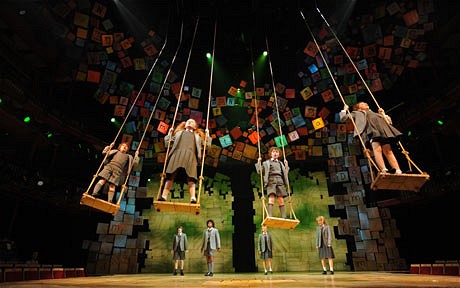
Matilda, The Musical, Royal Shakespeare Company
Honourable mentions to:
  • Miss Bronte - Bravo Theatre, Queenbeyan Performing Arts Centre Mel Dodge embodies the restless spirit of Charlotte Bronte and her struggle with conformity in a sensitive and soulful one-woman play directed by Lyndee-Jane Rutherford.
  • Mother - If Theatre, Queenbeyan Performing Arts Centre Noni Hazlehurst controls the stage flawlessly and pleas for empathy in the powerful one-woman poetic drama about an ordinary person who ends up homeless due to set of depressing circumstances.
  • Playhouse Creatures – Pigeonhole Theatre, Queenbeyan Performing Arts Centre It's such a pleasure to see this great play about women in the seventeenth-century theatre of the Merry Monarch brought to the stage with energy and conviction. 
  • Shakespeare's Greatest Hits - Vol. 400 - Remarkable Theatre, Queenstown Botanical Gardens Local actors provide promenade theatre in a beautiful setting for some great excerpts of the bard's best bits, which brings back a lot of memories from previous performances. 

Tuesday, 14 June 2011

Our Man in London: The Merchant of Venice


The Merchant of Venice
RSC, Stratford upon Avon

The Royal Shakespeare Company has recently spent over £100m on redeveloping its site in Stratford. That’s probably more money than Liverpool FC’s current crop of players is worth. The redevelopment has seen the main theatre extended and stage layout remodelled. It now has a stage which thrusts out into the audience even more so than at the Globe. The tiered seating also feels much like the Globe albeit with a permanent roof, but remember this is the Midlands and the sun has not been sighted in Stratford this century. I have no idea how the new theatre compares to the old one but by all accounts it is a vast improvement in every way.

The Merchant of Venice is another of Shakespeare’s problem plays (I am starting to think that they are all referred to as problem plays!). The main difficulty with this one is the overt anti-Semitism and racism. When I studied (I use that term lightly) this play as a student I felt uncomfortable about some of the language and feel just as unsettled by it now. Trying to tell myself that I needed to place the play in the context of the when it was written did not help. But setting this production in modern day Las Vegas somehow made it more palatable. Having spent a New Year’s Eve in Las Vegas undertaking some ‘field research’ one I can verify that unpleasant behaviour and language is rife there.

Shylock was presented as a property magnate, Antonio as a David Cameron lookalike with mobster friends and Portia as a dippy southern belle. The clown, Launcelot Gobbo, was reinvented as an Elvis impersonator. How on earth did Rupert Goold pitch this to the powers that be at the RSC? Before the performance I could not imagine how they were going to make this work, but in practice it was genius.

Once I had got used to the corny faux American accents and the occasional Elvis song (and at one point even Journey!) the dialogue increasingly seemed to fit the extreme characters and audacious stage set designs. For example, the competition to marry Portia whereby suitors choose between one of three caskets hoping to find her portrait inside was brilliantly turned into a game show called Destiny. The masque scene where Jessica escapes her father’s (Shylock) house is a New Orleans style mardi gras carnival which involves one of the characters delivering some of the dialogue with a Yoda impersonation. Batman and Robin are also present, of course.

Cast performances were strong all round, particularly Patrick Stewart’s Shylock and Susannah Fielding’s Portia. Patrick Stewart struck the right balance between being a Las Vegas character but also definitely separate from all the others. Remove the odd prop and his accent, clothes and dignified behaviour could have been used in many a Merchant of Venice production. Whereas Susannah Fielding’s extreme Portia perfectly suited this production but could not have fitted any other. Somehow this polarisation worked, probably because it clearly conveyed how Shylock is behaves and is treated as an outsider.

A clear sign to me that this daring production worked is that now I cannot imagine the play being delivered any other way. I come away from most Shakespeare plays with ideas about how I would do it differently but I really can’t imagine a better way of doing this one. Then again I might have replaced the Journey song with something a bit less ridiculous.

I never knew the Midlands could be such fun!

Next month I am off back to The Globe to see Much Ado About Nothing. Watch this space…

Adieu... from Our Man in London