Showing posts with label food. Show all posts

Friday, 11 October 2024

Friday Five: BorrowBox

I don't usually listen to audiobooks - I prefer the tactile nature of reading a book and will never ceased to be amazed by the fact that printed words on a page can conjure precise worlds in the mind. However, a friend introduced me to BorrowBox, an app affiliated to my local library, where I can borrow books to listen to, and I decided to give it a go. 

I am particularly intersted in autobigraphies and other works in which authors read their own words and tell their own stories. Here are five I have listened to and enjoyed so far. 


Candid and amsuing autobiography from a young woman who suffered a traumatic childhood, fragile mental health, the death of her son and a terrifying stalking incident that culminated in a home invasion. her voice is authentic as she describes learning about the highs and lows of the music industry (number one singles and mainly male media backlash) in a very public spotlight. Her father, Keith Allen, does not shine through this account despite his obvious assistance in her career - he gave her a recording contract and abandoned her to take drugs at Glastonbury. She is aware of her position of privilege, but also that she has worked hard for her success.


Gabriel Byrne has one of those voices that I could listen to reading the phone book. This is much more interesting than that. He speaks a lot of his youth and his training to be a priest and then a plumber, before trying acting, which he quickly discovered was his true vocation. His is a story of searching for acceptance and finding it in a passion rather than a place. Although he is occasionally sentimental and whimsical about the Ireland he has left behind, he is thankful for his chance to escape and create a life for himself, which he guards against the frivolities of fame.

Not just an amazing footballer, Megan Rapinoe is also a firm advocate of women's rights and social justice. She had a fairly typical loving family upbringing in the semi-rural town of Redding, California, the youngest (with her twin sister, Rachael) in a family of eight. She and her sister chose football - it pains me to read soccer, but she is American so I have to get used it - as an early means of self-expression. She talks of training, of games, of injuries and triumphs as one would expect from a sport memoir. She also talks of the drug epidemic, the penal system, the understanding that she was a lesbian, the reaction to her coming out, and the fight for equal pay. Her stand on taking the knee made her an outcast in her own team and to the likes of Donald Trump and those who want to 'keep politics out of sport' when it suits them to do so. She denies she is unpatriotic - she is proud to captain her country - but is still prepared to call out injustice, which makes many of the target white republican audience mad. "I know what it means to look at the flag and not have it protect all of your liberties." She has a strong work ethic and believes in learning from mistakes and trying to do better. It may sound simple, but it is sadly unfashionable. She also believes in using her platform (and as an olympic gold-medal and two-time World Cup winner, she has a pretty big one) to speak up for those who don't have a voice. 


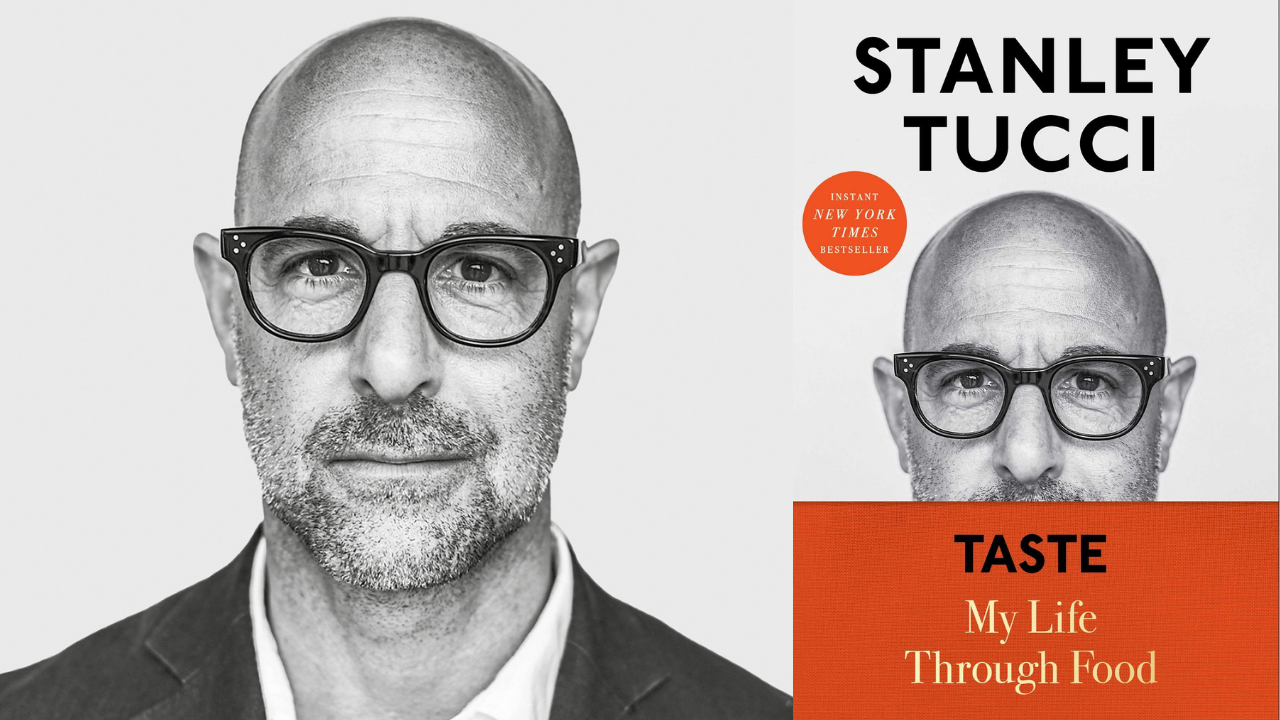
Another beautiful voice, coupled with a love of food and family - this was music to my ears. Stanley Tucci relates his life through important gastronimical touchstones which invoke memories and discoveries as he learns about his culture and his past and relates it all to his present and his career. He has a delightfully sardonic style and a dry humour, which is unusual for Americans, and he tends to steer clear of hyperbole, which is frankly refreshing. Through film narratives, health scares, loss of a sense of taste, and a delight in family and friendships, he shares anecdotes and recipes in a way that has the listener drooling - only partly for the food.
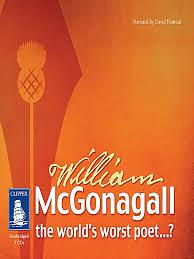

William McGonagall is often lampooned as the world's worst poet. That is a pretty bold claim and I have been insterested as to why he is so called. His poems are bad - they feature endless repetition, deridable rhymes, irrelevant details, poor scansion and weak metre. The mockery existed during his lifetime (1825-1902) and continues today with his work being celebrated with an Ig Nobel award in 2011. (He was also J.K. Rowling's inspiration for the name of her beloved character Minerva McGonagall.) He had no idea of this ridicule and fancied himself as having a calling to write, announcing himself as The Queen's Poet. Despite Queen Victoria refusing him patronage, he walked almost 100 kilmoetres from Dundee over mountainous terrain and through a violent thunderstorm to present himself at Bamoral where he was refused entry and had to return home. He made some money reciting his poems in pubs (the anti-drinking ones were particularly ill-advised), theatres, and the streets. As his reputation grew, his performances were attende by raucous crowds who drowned out his recitations and occasionally forcefully carried him out of venues. He found lucrative work performing his poetry at a local circus where he was pelted with eggs, flour, herrings, potatoes and stale bread. His story has many parallels with that of Florence Foster Jenkins, and one could perhaps feel great discomfort at his treatment (he was very probably on the autism-Apserger's spectrum), were it not for the fact that his self-aggrandising writings are incredibly pompous and dismissive of others. His poems, biography and other works are read by Scottish actor David Rintoul in brilliant fashion. He allows the unintentional humour to shine forth and reveals the terrible poetry in all its magnificent awfulness. It is a thing of unimaginable joy.

Wednesday, 7 September 2022

Paddock to Plate: Orange Regional Museum

On a trip to Orange, when Him Outdoors was busy competing in a cycling race, I went to the regional art gallery and museum. Their exhibition was Paddock to Plate: a history of food and wine in Orange and the district.


While it did pretty much what you would expect - using historic objects and photographs to illustrate how growing, processing, distribution and consumption of food has changed over time - it was curated in an interesting and interactive fashion, encouraging visitors to learn more about the stories of the people of the region. The exhibition starts with the mountain, an ancient volcano, which created the soils and climate that attracted indigenous people, then others from across the world. 

Stories about producing, processing and forces of change run around the perimeter walls, giving space for large farming objects and showcases containing smaller artefacts. A range of farming tools is mounted on simple white backing boards, so the timelessly beautiful shapes of these objects can be clearly seen. 


Curator Sandra McEwan and the museum team assembled an impressive trove of over 200 historic from around the Orange region with enormous variety of size and scale. Ploughs, refrigerators and a rare wheat flail join whisks, butter pats and dainty mementos of dining in a bygone era. 


Central to the exhibition was the concept of food in the home, and this was represented through a stylised 'kitchen' displaying utensils in a pigeonhole format that echoes kitchen cupboards. Some of these cupboards are see-through, and others have solid doors. Each door has a single word printed on the face giving a clue to the use of the object inside, such as grind, whip, cut, beat, squeeze, shape, lift, protect and hold, which sounds either like cookery, cosmetic surgery or a particularly violent poker game.  


A dining table is covered in a series of projections showing changing styles and tastes of home eating from the 1800s to today. One table features a display of seeds and legumes as in a curiosity cabinet, including wheat, wattle, apple, pumpkin, hazelnut, cucumber, kurrajong and kangaroo grass. 


Paddock to Plate tells the story of food and wine production in this beautiful district through the stories of people, place and a passion for produce. Lists of words always inspire poetry in me, so naturally I took myself to the café where I had coffee and cake and thought of my domestic culinary memories.
Pitter patter of kitchen helper;
patty cake with butter pat,
licking clean the whisk and spoon
with mother in the warmest room:
better batter on baking day.

Friday, 4 February 2022

Friday Five: Films on a Plane

  1. Delicious - Well, it looks beautiful - shot to make the mouth water (cinematography by Jean-Marie Dreujou). Sacked by his master, the Duke of Chamfort (Benjamin Lavernhe), for showing too much initiative as a chef, Manceron (Grégory Gadebois), gets his own back by setting up France's first restaurant on the eve of the fall of the Bastille and proving that not all service is servitude. He is assisted by Louise (Isabelle Carré) who turns up with a desire to be his apprentice. There is obviously more to her motivation than that, and it transpires that freedom to cook your own recipes is a revolutionary act. The dastardly duke believes that food is only for the rich as they have the exclusive ability to appreciate it. Ideas of setting out individual tables with tablecloths, writing up a menu, using fresh produce and not drowning it in heavy sauce were new; revenge as a dish best served cold was not.
  2. The Green Knight - Green is the colour; denoting growth, renewal, mould and decay - it is cyclical and endless, like this legend. It's arty but beautiful with the perfect counterpoint of bleakness, and Dev Patel as Gawain is charming enough to carry the tale. One for the mythologists.
  3. Jungle Cruise - I watched it on a plane, and it was good, mindless fun. The plot is negligible and the acting is all admirably sound with Emily and Dwayne being highly reliable as the  wholesome adventurous duo. Jack Whitehall, Jesse Plemons and Paul Giamatti are totally predictable as the camp brother, Teutonic baddie and avaricious business-owner respectively. If you want to watch a movie (and it is a movie rather than a film) based on a theme park ride; you pay your money and you get exactly what you order. 

  4. Last Night in Soho - The multi-genre format of this film is what makes it so intriguing. It's part thriller; part horror; part social commentary; part fantasy/ sci-fi and part period drama. A young woman, Eloise (Thomasin McKenzie) leaves her safe rural home to study fashion design in London because the lights are much brighter there. We learn that her grandmother worries about her mental health (her mother took her own life) and fears she might be out of her depth. With her fertile imagination, Eloise conjures up a world of SoHo in the swinging sixties where she believes all is glamorous, as epitomised by the characters of Sandy (Anna Taylor-Joy) and Jack (Matt Smith). As this fantasy world becomes more real, however, she discovers the seedy underside of the city where everyone is being exploited and love is never free. The ending may be a touch outré, but the film is definitely watchable and gripping, portraying the capital as a palimpsest of buried secrets.
  5. My Son - It feels as though this was filmed during lock-down, with minimal sets, locations and cast. James McAvoy and Claire Foy are an estranged couple who have to communicate when their son goes missing form a holiday camp in Scotland (the scenery is spectacular). We soon suspect he has been kidnapped, but why, by whom and, most importantly, is he still alive? These two are great actors but the plot is really weak and sketchy. Apparently this is a remake of a 2017 French thriller, Mon Garçon, and the director (Christian Carion) both times requested that his lead actor perform without a script. James McAvoy is brilliant but he is an actor, and they tend to deliver lines. Without any, this by necessity falls down into a fairly pedestrian narrative, which seems a shame and a shocking waste of opportunity.
  6. Spencer - Was the point of this film to reinforce the perception that Diana was a selfish, manipulative self-indulgent attention seeker? If so; job well done. With little consideration for anyone but herself (including her children), she sets out to make the traditional Christmas all about her by flouting the family like a spoilt child who suddenly realises she is not getting her own way at every opportunity. This would not be interesting if the family were not royal and she were not the vomit-inducing (yes, she does a lot of that) 'queen of hearts'. Kristen Stewart gives a credible performance as a portrait of a victim, but the whining is deafening and the sympathy short. Plaudits to the costumiers and the design team - the rest is overwrought hokum. Americans will love it.

Friday, 7 August 2020

Friday Five: Pass the Pasta

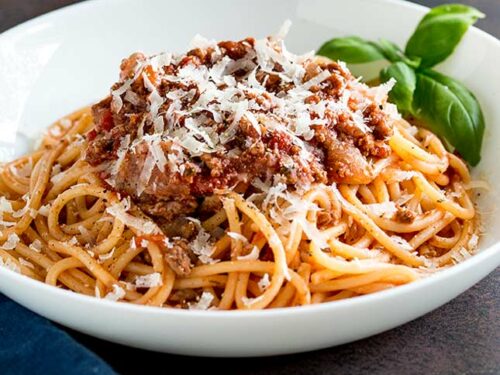
Spaghetti Bolognese

Spaghetti Bolognese; Seafood Linguine; Macaroni Cheese: It took me a long time to realise that these were composite meals and that Bolognese sauce could exist without spaghetti or that linguine could accompany things other than seafood. In fact, as a student, when not living exclusively on potatoes, I would make variants of a dish that incorporated spiral pasta (fusilli), onions, tuna, white sauce and turmeric; yes, it was a bit odd, and yes, it did leave yellow stains all over the kitchen.

I have since learned that there are over 600 pasta shapes, each with an individual history and gastronomical function. Some can be stuffed or used in soups; some are better suited for holding sauces in their ridges; others work well with baked dishes. They have evocative names which may refer to the region form which they originate (Linguine is from Italy's Liguria region - and, I was pleased to see, was created to be paired with seafood or pesto).
Strozzapreti pasta

The names may be due to more exotic etymology, such as Strozzapreti, for example, which means 'priest-choker' or 'priest-strangler' in Italian. Apparently, this is not because the hand-rolled pasta typical of the Emilia-Romagna, Tuscany, Marche and Umbria regions resembles a rolled towel fit for the purpose, or even that the shape could be construed as a clerical collar, but because the pasta was so delicious that gluttonous priests ate it too fast and ended up choking themselves. 

I have heard that by the time one becomes a responsible adult, there will be at least one type of pasta that you don't like. This is yet further evidence that I have not reached that stage of development yet, because I haven't got any particular dislikes. I do, however, have favourites.
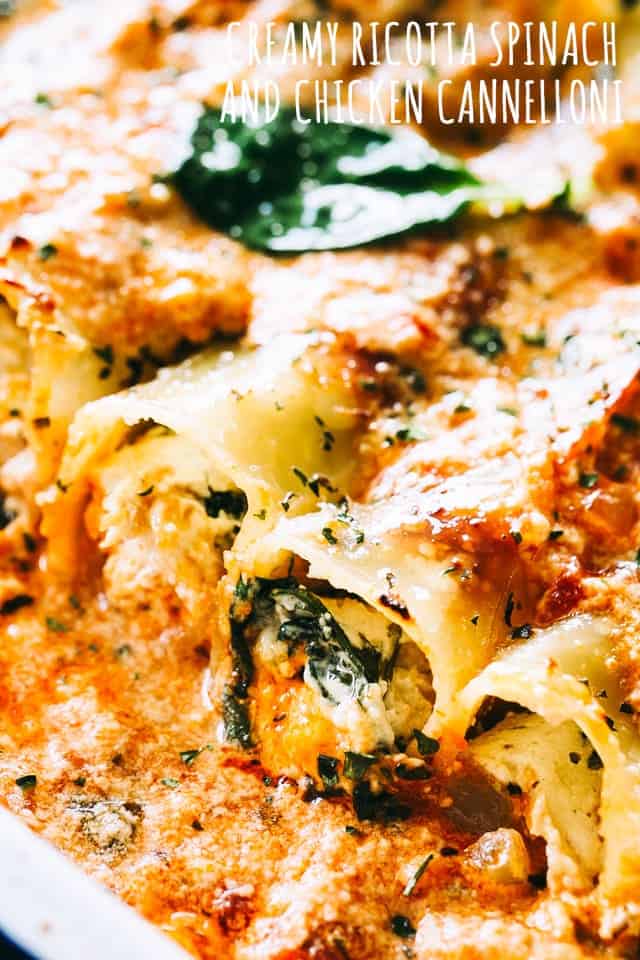
Ricotta, spinach and chicken cannelloni
5 Favourite Pastas:
  1. Bucatini - It resembles spaghetti but with a hollow centre. Ideal for holding sauces like cacio e pepe (cheese and pepper in other words), it produces a weird but pleasant sensation when sucking up the strands.
  2. Cannelloni - This cylindrical pasta is a filled noodle, baked and covered in sauce, that literally means 'large reed'. Basically, a tubular lasagne, it is popularly stuffed with spinach and ricotta or minced beef, and drenched in tomato sauce and Béchamel. I once made a recipe for 'cannelloni for a crowd', without reading through to the end of the recipe before I began. It was delicious but I ran out of pans in which to bake it, as it turned out to serve 12. Of course, the clue should have been in the name, but it was a good lesson to always read the complete recipe first before beginning the procedure (not necessarily something I have entirely learned so the words 'marinate overnight' can still strike dread into my heart).
  3. Conchiglie - I like the name; I like the shape; the shells come in a range of sizes and are wonderfully versatile allowing for thin and chunky sauces.
  4. Penne - A tubular pasta cut at an angle to resemble quills sounds incredibly artistic. It is excellent when cooked al dente and can be used in all manner of dishes from salads to casseroles. 
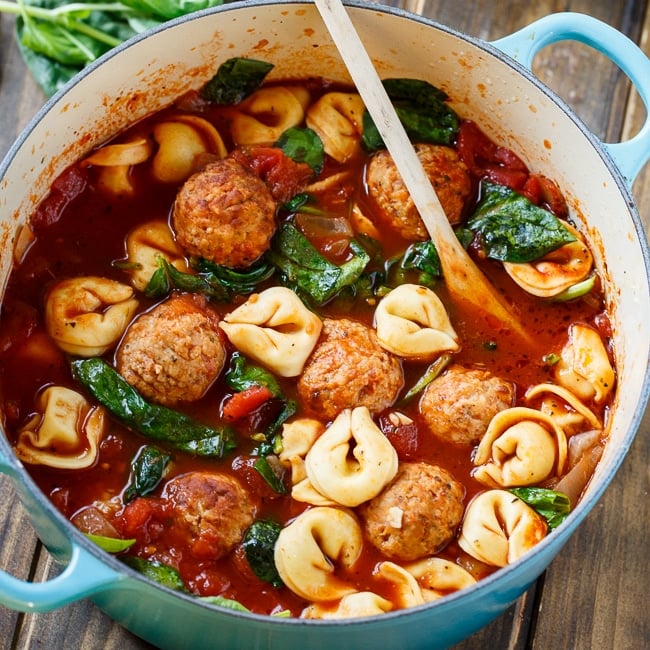
  5. Tortellini - These circles of pasta are folded in half to form a semi-circle after the filling is added, and then twisted to form the shape of a little hat (much like wontons in Chinese cooking). A larger version of tortellini is called tortelloni and is the size of a walnut. Originally from the Emilia region of Italy, they are typically stuffed with a mix of meat or cheese and topped with light sauces or served in broth. They are similar to ravioli, but somehow seem more exotic, especially when called by their alternative name, ombelico, which means belly-button.
Meatball and tortellini soup

Friday, 5 December 2014

Friday Five: Festive Salads

Brussels sprouts salad with crispy bacon
In the lead-up to Christmas, I have been trying out some festive food to make for 'the big day'. In the heat of Australia (with temperatures of thirty degrees for the Christmas week), this means salads, or other light meals, and festive means red and green. So this is what I have been cooking:

5 Festive-looking dishes from our kitchen:
  1. Brussels sprouts salad with crispy bacon
  2. Sticky barbecued prawn salad (with banana prawns, green chilies, avocados, fresh basil and cherry tomatoes)
  3. Couscous, chorizo and courgette salad
  4. Roast rack of lamb with mint, bean and feta salad
  5. Spinach and tomato bake
Spinach and tomato bake

Friday, 27 June 2014

Friday Five: National Bacon Week


This week is National Bacon Week in Australia. I know; thrilling stuff, right? I'm sure everyone will be streaking to the butcher's in the middle of town to shoulder the responsibility of maintaining the porcine quota of food product. Enough.

Now I love bacon, but there are a plethora of products that prove that I am not the craziest bacon fiend out there. From underwear to lampshades, scented candles to toothpaste, earrings to artwork, milkshakes to cocktails; there is something for everyone - as long as they like bacon.

If you are desperate you can get bacon gumballs, bacon chocolate bars, bacon cupcakes, bacon lollipops, and bacon ice-cream. I don't really like the combination of sweet and savoury so none of these offerings appeal to me, although I do think the bacon mayonnaise and bacon popcorn would be worth a try.

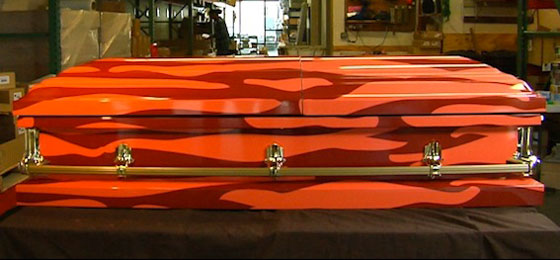
Loving bacon to death
Another combination that could work is bacon and beer. Somewhere in Maryland there is a beer and bacon music festival. It's a crazy place. Smoky beers have a delicious distinctive taste, which I happen to like, so surely smoky bacon beer could be a winner. Rogue have a beer called Voodoo Doughnut which is described as a bacon maple ale. And there's that sweet thing again; that, and the fact that it's pretty expensive. Meanwhile, here are five fabulous bacon-related culinary creations I do like:

5 Great Bacon Foodstuffs:

  1. Smoky bacon crisps: quite simply snacktastic
  2. Bacon and egg - full English breakfast: breakfast of champions!
  3. Spaghetti carbonara: the favourite Italian dish of Him Outdoors
  4. Bacon-wrapped, gin-soaked apricots: my dish of choice when told to 'bring a plate' (you have to put something on it in this country) - very simple and only three ingredients. Guess what they are!
  5. Bacon and potato salad: kind of healthy (because it's a salad) and kind of not (because it's got lashings of mayonnaise.And bacon)

Gin-soaked, bacon-wrapped apricots

Wednesday, 28 May 2014

Bullant Brewery

Several months ago, while driving back to Canberra from Melbourne, we found a fantastic little stopover. We had considered going home via Lakes Entrance until a kind lady at the Bairnsdale Tourism Information place told us that it would be heaving and horrible on that particular weekend, and suggested we make a start up the Great Alpine Road to Bruthen and stop for lunch at the Bullant Brewery. Those are the type of suggestions we are happy to heed, and so we did.


Bullant Brewery offers tasting paddles of any four beers, so between us we sampled the seven that they had on, plus a cider. The first four - pale ale; wheat beer; pilsner and kolsch - were all pretty similar in colour but distinctly different in taste. The folk at the brewery like to claim their beers are full-flavoured yet highly drinkable and their slogan is 'beer with bite'. 

The Mossiface Pale Ale (all their beers are named after locations on the Great Alpine Road) at 4.8% is an interesting blend of hop (American Cascade and Pride of Ringwood), malt (Pilsner and Munich) and yeast flavours. The result is a great balanced beer as each element adds up to more than the sum of its parts.
Him Outdoors with a Mossiface
The Bark Sheds Wheat Beer (5%) is a pretty good example of this style with the expected clove and banana aromas complementing the zesty tang of the hops to create a satisfying summer drink. The Tambo River Pilsner (5%) is a decent drop, although nothing special, you could happily knock back a couple at a party without feeling disappointed.

Kolsh is not usually my favourite style, and yet their Summer Kolsch (4.7%) was one of my beers of choice from their brewery with subtle fruit flavours, and Pearl and Hellertaur hops to provide a crisp finish. This is a seasonal brew so will only be available during summer, which is when you most want the dry, refreshing style.

Moving to the dark side, the Double Bridges IPA (5.8%) was also splendid, with an intense hop aroma to match the zesty hop flavour and the dry hop finish. Did I mention it was hoppy? I was not as impressed with the Pig and Whistle Brown Ale (4,7%), although I'm not generally a huge fan of this style anyway. It is deep copper in hue with a mere hint of hops against the mass of malt. The accompanying notes state it is a 'typical English style' and I'm sure they know what they're talking about, but I don't remember tasting beers like this back home. 

The Piano Bridge Stout (6.7%) is delightfully chewy and malty with all the liquorice, caramel, chocolatey goodness associated with this variety. The name is taken from an old bridge that crossed the creek 27km north of Bruthen. When a coach passed across it, the panels apparently bounced up and down like the keys on a piano, or like Him Outdoors did when he tasted this stout. The tasting platter was rounded out with Kelly Brothers Cider, of which I can't really say much except it tasted alright and is apparently gluten-free.

The food menu is extensive and we chose wisely, with beef fajitas for him, and a Moroccan chicken stack for me. The menu is seasonal and alters along with the beers, so it is constantly changing and I'm sure always worth sampling. 


The setting out on the deck was very pleasant, and it is covered so even though we experienced rare summer rain, we were comfortably sheltered. It was a very busy public holiday, but the service was still relaxed, we weren't made to feel rushed or like an inconvenience (despite turning up without a booking) and there was no surcharge. I would definitely recommend this as a place to visit, and they have live music sessions on Sundays in summer; there could be few better ways to spend a sunny summer Sunday afternoon. 

Friday, 14 February 2014

Friday Five: The food of love...

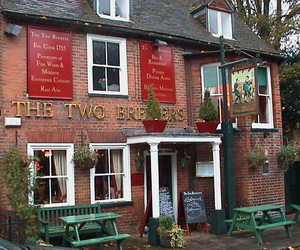
The Two Brewers, in happier times
I don't think I've ever been to a restaurant on Valentine's Day. I hate all the palaver of people trying to make you buy roses and playing violins anywhere in the vicinity. And I hate the general pressure to conform to capitalism that surrounds the date. But, for the purposes of this post, I did think about my favourite restaurants, most of them because they are connected with special memories...

Five Great Restaurants:
  1. Cesare's, King Street, Manchester - now apparently called something else; one of the first 'grown up Italian' restaurants I ever went to, around Christmas time while Him Outdoors and I were courting.
  2. Yang Sing, Princess Street, Manchester - I still dream about their crispy duck pancakes.
  3. Botswana Butchery, Marine Parade, Queenstown - fantastic setting, amazing food, excellent wine list and superb wallpaper!
  4. Le Sergent Recruteur, Rue St-Louis en l'île, Paris - When I lived in Paris, my dad came to visit (he was on a work trip) and I was able to suggest, 'a fabulous little place on the île St-Louis'. Pretentious, moi? It was very, very good, though.
  5. The Two Brewers, St Peter Street, Marlow - I used to drink here; it is my favourite pub in my home town. It became a gastropub after I left England, and I finally ate there in 2012 with my parents in the cellar restaurant, an authentic eighteenth century beer cellar. It burnt down in 2013, and was due to re-open sometime in 2014, although it is probably now flooded and I wish the team every success in getting it back up and running.

Monday, 23 December 2013

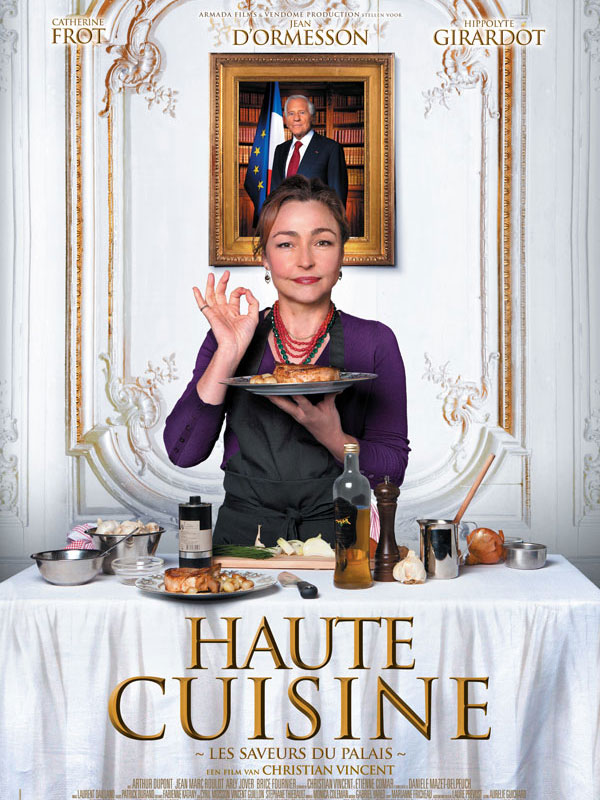
Haute Cuisine (Les Saveurs du Palais) - Supremely Satisfying


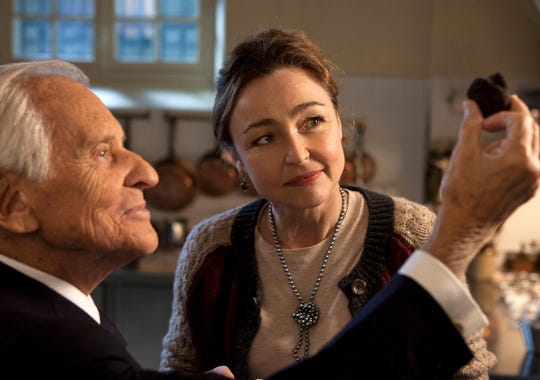
Director Christian Vincent offers a delightful film which is as light and fluffy; insubstantial and impressive, as a perfectly executed soufflé. Hortense Labourie (Catherine Frot) is content to be a chef in Périgord with a farm, a menagerie and an elderly uncle to look after, until she is summoned to Paris as the private chef to the President of France (Jean D’Ormesson). The ministers are so arrogant it would serve them right if she simply refused, but then we would have no film, so she accepts and enters this beautiful, formal world, and the gourmet extravaganza begins.

She is given a tour of the Palais de l'Élysée, including the spotless kitchens with all the latest equipment. She moves among gleaming copper pans, printed menus and steamed tablecloths, and is given masses of directions and tips on protocol, but no mention of food. The men in the staff kitchen are no help to her as they resent her position in the private kitchen – they are macho and rude and call her Du Barry (after the mistress of Louis XV) – so if she wants to learn what the president likes, she has to deduce it by trial and error. She studies what is left over on his plate to try and understand his preferences.


Initially Hortense cooks decadent meals such as Savoy cabbage, Scottish salmon, Loire carrots – “I like things to come from somewhere” – but when she is finally awarded an audience with the president he says he likes classic, rustic food and begs her to “cook like my grandmother did; give me the best of France.” He asks for simple and authentic dishes without decorations – “I want to taste things” – and she gives him clams, cream of asparagus soup, fruit and pistachio tart, and Beef Wellington (which is called boeuf en croûte in France).

She has a sous-chef, Nicolas Bauvois (Arthur Dupont) with whom she develops a cute relationship – she insists that he call her by her name, rather than ‘chef’. Catherine Frot’s Hortense is a beautiful middle-aged woman with a ready smile and a twinkling sense of humour, rather than a Hollywood bimbette who would get the role if this were an American film. Although the chemistry in the kitchen is charming and appealing, it is refreshingly free from sexuality. Nicolas shares her love for food and its creation and gives her a sounding board to express her culinary methods and opinions – “I talk through a recipe – I can’t help it.”


The narrative is based on the true story of Daniele Mazet-Delpeuch who became the first female chef to a French president, Francoise Mitterand. In this film it is suggested that the president can talk for hours about food, and maybe it would have been better for him to do so instead of heading into politics. He and Hortense discuss old recipe books and the passion that went into writing them; they bemoan that no one writes like that anymore. Hortense believes that food should reveal individual character and is disappointed by a dish that is well-made but lacking in personality: “anyone could have made it.”

Insistent that she can source better food than that used in the main kitchens, she sets out to buy her own provisions and we are treated to scenes of specialist produce shops selling exclusively cheese, poultry or fish. She and Nicolas experiment and have fun in the kitchen with food and menus, exploring recipes and combinations. Hortense teases him that a pastry chef must measure precise quantities while cooks use instinctive dashes. We may not be able to taste it but the colours, textures and detail of the dishes are gloriously filmed supplying a generous portion of gastro-porn.


Her downfall comes partly at the hands of the main kitchen chef who is upset when he thinks she has muscled in on his territory. She is in charge of appetizers, mains and cheese; he takes care of dessert, and he questions the categorization of cream cheese which he insists she removes from the dishes served at a family dinner. For a country whose revolution is proverbially based on the distinction between bread and pastry – “Let them eat cake” – this seems apt. When she is called to account for the fact that her meals are three times as expensive as those from the main kitchen she counters, “I work with people who share a passion for excellence – it comes at a cost” and she has justification in her claim, “A cook is not an accountant; a cook is an artist”. 

As well as the financial aspects and personal rivalries, Hortense must face the fact that as he ages, the President is forbidden rich food by his health advisors. There will be no more cheese, sauces, or rich or fat foods, and she sulks to Nicolas, “I hope you like working with fruit”. She must now run everything past his guards, which image is turned on its head when she has them running across the courtyard to ensure that dishes are delivered at the correct temperature. Her argument when she is told that she can still cook anything for President’s guests, but just not for the President himself, is that she wasn’t brought in to cook for ambassadors. Ultimately she cannot overlook her passion for the food for the sake of her position.


The film is framed by her experience on a French Antarctic base as a cook for the scientists and surveyors there. She runs by the beach and over the bleak countryside in an environment that couldn’t be further from the opulence of Parisian palaces. On her last day she tells the team that she has bought a truffle farm in New Zealand, combining her loves of the miracle and perfection of truffles with the beauty of virgin territory. Whether in decadent chateaux or primitive extremities, food is more than just physical sustenance. True fans of gastronomy will find much in this film to nourish the soul.

Friday, 28 December 2012

Friday Five: Christmas Fare


Festive Ice-Cream Terrine
For the Christmas period, I decided I wasn't really bothering with presents and decorations (apart from the book-tree of course) and all that malarkey, but I did make an effort with the food.

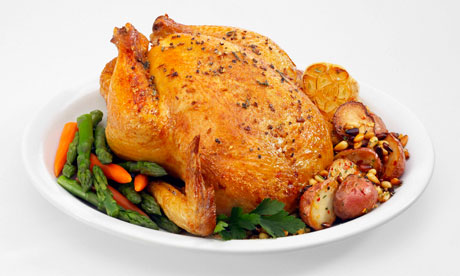
For Christmas dinner we had Tarragon-roasted chicken with pancetta and grapes accompanied by Maple-roasted veggies with orange and pine nut gremolata, which surprisingly didn't fit the overall theme. All the rest of the food followed a festive red and green/ red and white/ red, green and white colour scheme.

5 Colour-Schemed Christmas Dishes
  1. Chicken, pepperdew and green bean salad
  2. Green apple, ham and rosé risotto
  3. Roasted aubergine, mushroom and tomato pasta wih ricotta
  4. Beef, lentil and walnut salad
  5. Festive ice-cream terrine

Friday, 27 April 2012

Friday Five: Our Daily Bread

I love bread. There's a reason why people bake bread in houses they are trying to sell - the smell is divine. The way the loaf rises in the oven is almost magical (yes, I know it's actually due to a chemical reaction involving the yeast, but that's somehow not as romantic) and there is a wonderful symbolism in breaking bread to share with others. Of course many Bible stories feature the humble loaf, but it's more than that. So with apologies to my carbohydrate and gluten-free friends:

5 Favourite Breads:
  1. Baguettes - cycling through French vineyards with one of these tucked into the panniers, knowing we were soon to devour it with gooey cheese, fresh tomatoes and a bottle of bubbly... The anticipation was almost as good as the event. Almost.
  2. Calzone in Florence and Siena - the Italian sandwich; easy to eat while sight-seeing, walking and standing, or simply sitting in the piazza watching la passeggiata.
  3. Granary bread from Asda - fond memories of coming home after school and eating this with lashings of butter and jam in the kitchen (the warmest place in the house) with mum. She would be marking books and we would drink Vimto and chat about nothing.
  4. Garlic naan - as long as you both have it. From a good restaurant or curry house it tastes delicious, but it tastes strong and the flavour lingers, if you know what I mean...
  5. Jamaican gingerbread - I usually think savoury with bread, but this sweet treat is another happy childhood reminiscence.

Friday, 13 April 2012

Friday Five: Desirable Knowledge


5 Things I'd Like To Learn:
  1. Ballroom dancing
  2. Rally car driving
  3. Spanish
  4. Mushroom identification (so I don't poison myself)
  5. Patience (the virtue: I know how to play the card game)

Monday, 9 April 2012

Easter Treats


I'm not known for my baking, or if I am, it's not in a good way. But Easter often finds me faffing in the kitchen. This Easter I eschewed the oven and made 'surprise chocolate eggs'. I guess the surprise is that they don't look anything like eggs. They are Maltesers covered in a milk chocolate and sour cream mixture, dipped in melted white chocolate and then drizzled with melted dark chocolate. They may look a bit odd, but they taste lovely - and ridiculously rich (as you can imagine with all that chocolate!) Some of them worked quite well; others were mutants.

I am better with savoury stuff - for dnner we had slow-cooked lamb with skordalia (potatoes mashed with garlic and olive oil), green beans with feta, roast tomatoes, and chickpea and risoni salad (I didn't take a picture of that). I know, as Him Outdoors said, as if I didn't have enough to do... But I love cooking, especially at Easter for some reason. 

The gorgeous flowers in the photo are from my mum - thank you mum. She figured I might need a hug, so she sent a floral one long distance. As she often is, she was right and it cheered me up, so I put them in the picture with the Easter chocolatey goodness. I hope you all had a good Easter too with gatherings of the people you love.

Friday, 30 March 2012

Friday Five: Shopping List

5 Items That Are Always On The Shopping List:
  1. Basmati rice - Him Outdoors always thinks we've run out (often when we haven't)
  2. Raspberry jam - Ditto
  3. Cat food - If he doesn't eat; we don't sleep
  4. Toilet roll - there are some things you just don't want to be without
  5. Lettuce - I can't believe I didn't use to like lettuce; now I eat it every day, and you can't stockpile it, so it's got to be fresh and crisp

Thursday, 13 October 2011

Quick Quintet: Tastes Like Chicken

Whenever people eat something a bit different - frogs' legs; snake; crocodile; squirrel - they invariably say, 'it tastes a bit like chicken'. This is probably because chicken is such a versatile meat that it can actually taste like almost anything itself, even squirrel. I like chicken - yes, free range organic and all that, and it goes very well in a variety of dishes.

5 Great Chicken Dishes:
  1. Roast chicken - with roast potatoes and fresh green vegetables, or in fresh white bread sandwiches with lashings of mayonnaise
  2. Lemon chicken - the Chinese restaurant in Marlow High Street was my introduction to this particular favourite
  3. Kadai chicken - a perennial winner at Indian restaurants worldwide
  4. Chicken Pad Thai - the benchmark of a good Thai restaurant, and usually a perfect serving size to leave you replete but not stuffed
  5. Chicken Mee Goreng - one of the best hangover cures ever

Monday, 6 June 2011

Convenience Foods

We are really lazy, aren’t we, us humans?

At the supermarket I noticed that the chopped variety of the tinned tomatoes was all sold out. (Supermarket shopping simultaneously thrills and stimulates me – can you tell?) Fair enough; they were on special, but so were the non-chopped ones and there were still heaps of those left.

Further investigation (gosh, I could work for Fairly Slow with in-depth research like that) proved the second cheapest option also had diced and whole, and once again the diced were sold out – people were clearly paying more for these than the cheapest chopped. Why? Is it so very hard to chop our own tomatoes?

Sure, it may take a fraction longer in the kitchen before tipping them into the pasta sauce, and perhaps time is money, but what is that really worth? A good twenty cents a can in this case it appears.

We buy all sorts of labour- and-boredom-saving groceries; pitted olives, grated cheese, tea and coffee with milk already added (because it’s such a hassle to get the milk out the fridge and add it ourselves), ready-diced pumpkin… actually, that’s quite a good one as peeling and chopping your own pumpkin is a real faff.

So where does it stop? And more importantly, where do we send our suggestions? Because I find peeling oranges really tedious. Invariably the juice squirts everywhere (in the eye or on the white blouse being its preferred landing places) and you get sticky fingers and the rind has to be disposed of somehow and you’re usually on the run or in a car, and they’re simply not as convenient as they might be.

And with all that extra time available, just think of the things we could do... maybe an extra sudoko or two.

Tuesday, 26 April 2011

Easter Weekend

Good Friday

Actually, the long weekend started last night when we had friends round to dinner. I made baked figs with blue cheese (and prosciutto for the non-vegetarians among us); penne pasta with mixed mushrooms and goat's cheese, served with a big green salad drizzled with parmesan infused olive oil, and apple and peanut butter crumble (made with apples from Jo Reid's garden) and Bird's Eye custard (from a tin). We drank Easter bubbles from France, oaked chardonnay from Hawke's Bay and pinot noir from Central Otago. This morning we cleaned up.

I submitted some artwork to the Arrowtown Autumn Festival - photographs I have taken and had framed or stretched on canvas. Arrowtown is so peaceful in the morning before the visiting hordes arrive that it is worth taking a moment and reflecting how lucky we are to live here. I picked up some pains aux chocolat and a baguette from the French bakery, which I took home and we had them with coffee on the patio.

Him Outdoors was competing in the Lake Hayes Duathlon, which with the main event of the associated triathlon, is the oldest surviving triathlon in the country. He came second by 45seconds to his main rival in his age-group; quite distressed because 'Dave's got a new bike!'


I, meanwhile, mountain biked around the lake and along some local tracks shouting, cheering and generally supporting with a couple of friends who also had nothing better to do.

Afterwards we thought we might have a drink at the local pub but it was closed and the one down the road was charging a surcharge (which I loathe - they make enough money to be able to pay their staff without hiking the prices - if you don't think you can afford to open on a public holiday; don't) so they lost out on four meals and several rounds of drinks from us, as we went home and drank red wine in the front room instead.

Picture from Fakers starring Matthew Rhys, Kate Ashfield, Tom Chambers, Tony Haygarth, Art Malik, Rula Lenska, Bruno Castra, Ilaria DElia, Sam Mancuso, Dominique Ventura, Jonjo ONeill, Larry Lamb, Stephen Greif, Félicité du Jeu, Edward Hibbert, Paul Clayton, Jonathan Cecil, Paul Lacoux, David Florez, Peter Barnes, Sally Mates, Sarah Paul, David Henry, Angela Bradley
Later in the evening we watched The Fakers, 'a funny, sharp and fast-moving tale of blackmail and forgery set in the upper echelons of the international art society'. The 2004 film is billed as an off-beat comedy along the lines of The Thomas Crown Affair or The Italian Job - those are two of my favourite films and it doesn't live up to them, but it's not bad. It stars Matthew Rhys whom I've only ever seen as Kevin Walker on Brothers and Sisters, and he's actually very good - and Welsh! Who knew? I have more respect for him now - not because he's Welsh, but because he can really act.

Easter Saturday

Him Outdoors had some vouchers that he won at the Motatapu Adventure Race burning a hole in his pocket, so we strolled into town along the river and paid our respects at the cenotaph (it is Anzac Day tomorrow and will be heaving so we got in early) before popping into the shops and buying woolly jumpers and a flat cap for everyday (he still has his grandad's 'for best').

Back home we watched a couple of short films on a DVD I got free with The Observer when I was in England last year. It features 'five early short films from Britain's most influential filmmakers'. First was Amelia and the Angel (1958) directed by Ken Russell. In black and white with a gentle voice-over, it tells the tale of Amelia who takes home her angel's wings to show her mother, 'even though she will see them tomorrow at the school play'. When her horrid brother destroys them, she searches throughout London for another pair (including cemeteries and rag and bone carts), despairing until she stumbles across an artist's studio where a bearded sandal-wearing painter dresses up his models in theatrical outfits.

The clear narrative arc, dramatic music and omniscient narrator reminded me of an episode of The Clangers - things were simpler back then, even for Ken Russell it seems. Some of his early directorial touches are evident; the low camera work intended to mimic a child's view would have been considered a stroke of genius, although commonplace now.

Next was Boy and Bicycle (1965) directed by Ridley Scott. A teenaged boy bunks off school and cycles around Hartlepool instead - you'd have to imagine school was pretty dire if this is his preferred pastime. The strteets are empty; the beaches are deserted; the factories are grim. The young man provides a self-consciously assured voice-over in a landscape that seems almost post-apocalyptic.

The tracking shots and building of tension are clearly the director's trademarks and it's interesting to see them in their infancy. Scott was a photography student when he made this, which is apparenty in the perfect composition of the shots. Living in a world where we are bombarded with audio pollution and sensory stimulation, this was almost soporific (perhaps intentially - the revolving spokes of the bicycle wheel being particularly hypnotic), and so we decided to leave the rest for another day.

Later still (in the middle of the night) I watched Liverpool take Birmingham apart. Not only was the 5-0 scoreline (including a hat-trick from Maxi Rodriguez) something to celebrate, but I was hugely encouraged by the way the team played with energy, enthusiasm and something like the passing precision of old. I miss Stevie G, of course, but it's also great to see the 'youngsters' coming through the ranks - Jay Spearing, Jack Robinson and Jack Flanagan all played well and, although they may be tested by tougher opposition, things are finally looking up for the future.

Easter Sunday

As I walked to church this morning, I saw a lady in her slippers and pyjamas distributing chocolate eggs through her dewy garden. When she saw me she smiled, put her finger to her lips and whispered, 'Shhh, I'm the Easter Bunny'. I didn't have the heart to tell her that she wasn't.

The service at St Paul's was joyful and positive; emotions I could use at present, and naturally, I love a good sing-a-long. An extract from the order of service stated, 'Faith is like a bird that feels dawn breaking and, while it is still dark, begins to sing.' I think that sums it up nicely.

We spent the afternoon in Clyde at the Wine and Food Harvest Festival. As you can tell from the images, a good time was had by all. We came home to rehearse for the show I am directing; Cribbies for the Arrowtown Autumn Festival. It opens a week today, which is more than slightly scary. We went over all the dance moves; many of which I have set, so they are not exactly complicated!

Easter Monday

My cold is catching up with me and I woke up this morning with difficulty breathing. It may not have been the best idea, then to walk up Tobin's Track, but friends called up and that's what we did. The views are as glorious as ever and the couple of dogs that we had for company were certainly entertaining. How wonderful to be a dog when everything is fresh and every smell could be an adventure. They bounded up and down and made us all feel tired so we came home to drink coffee and eat chocolate ducks and rabbits.


Another rehearsal in the evening at which we ran the play for the first time without a prompt. Things are coming together and, although I'm doing all I can, I don't know how you can make people learn their lines! And so I came home to a large glass of pinot noir, a warm fire and a hug from Him Outdoors. It's not been a bad Easter weekend.