Friday, 25 December 2020

Friday Five: Who's Who on Christmas Day

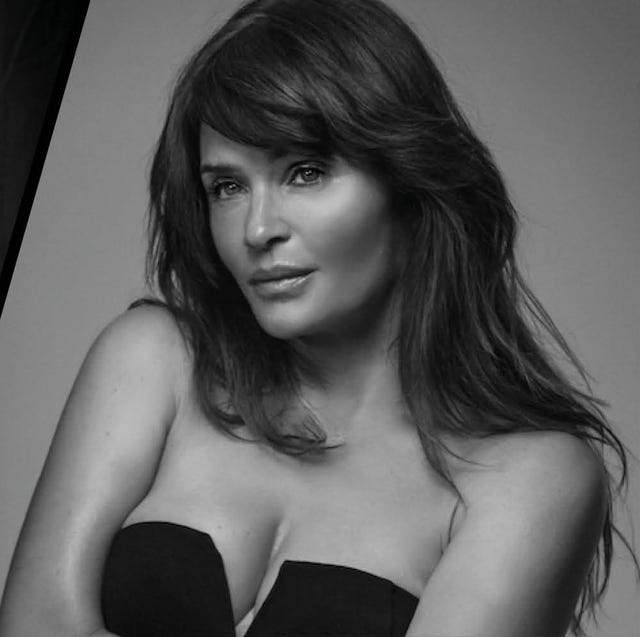
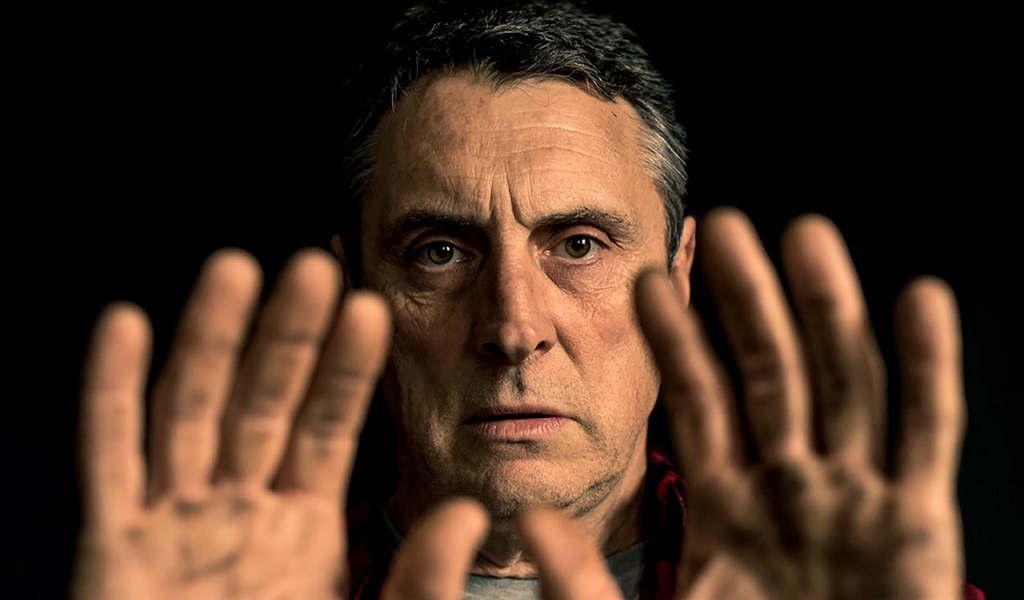
Obviously many families are separated this year by disease as well as distance, but through the wonders of modern technology, many of us were able to gather and converse through a screen. I miss the hugs and the contact, but I love to see the smiles and hear the laughter. As part of my festive family get-together, I compiled a quiz around the whys and wherefores of Christmas. Round one was 'Who?' and featured the following people, all born on Christmas Day (and they're all in black and white because my colour printer wasn't working). Put your answers in the comments if you're interested, and I'll tell you if you're right.

5 People Born on Christmas Day


Tuesday, 22 December 2020

Boys' Own War Adventure: The Rest is Silence


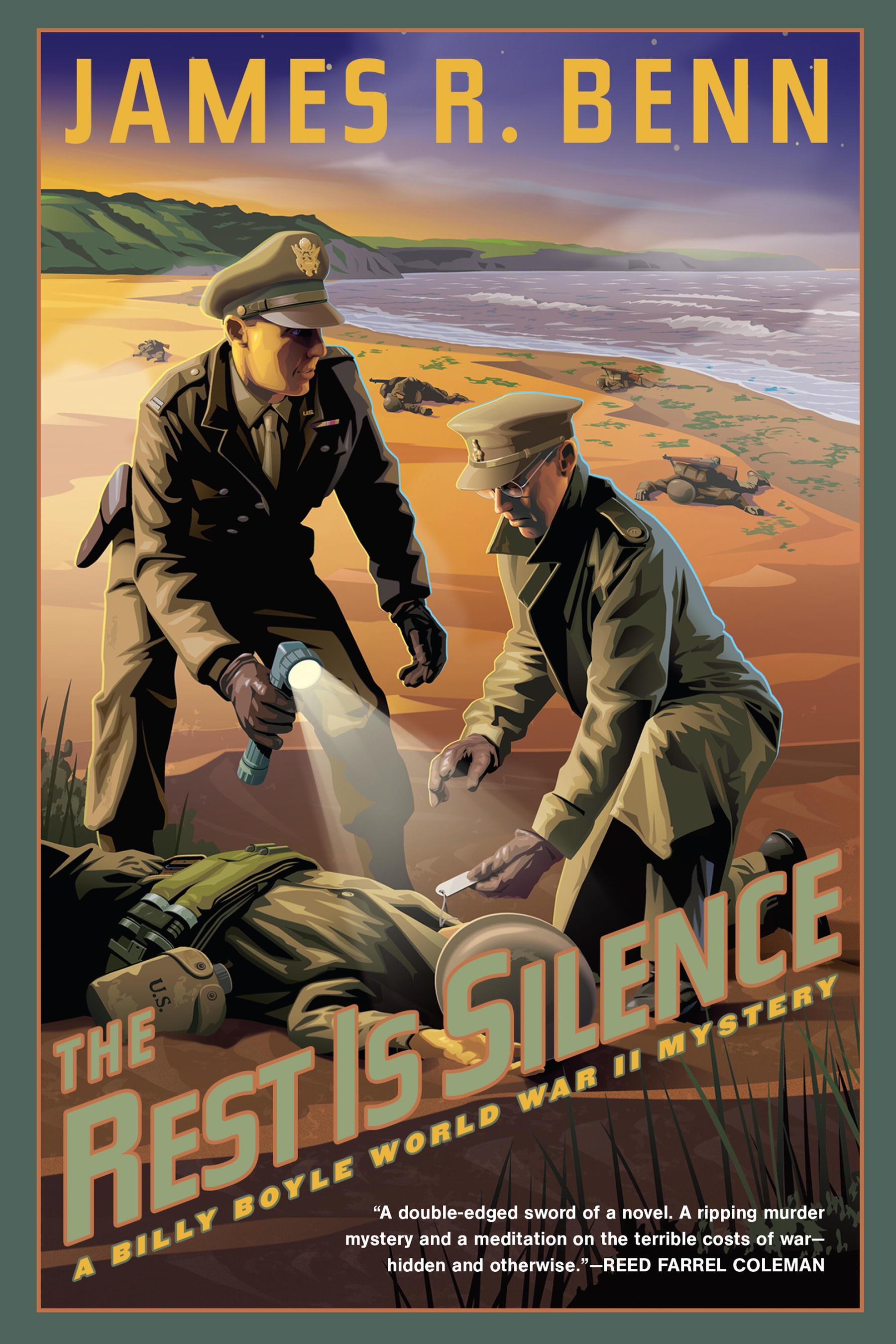
The Rest Is Silence by James R Benn
Soho Crime
Pp. 323

The writing on the jacket claims that this is “a Billy Boyle World War II Mystery”, so it is obviously one of a series in which US Army Captain Billy Boyle and his partner Kaz work for the Office of Special Investigations: “our job was to deal with low crimes in high places that got in the way of the war effort. And to deal with them quietly, although quiet wasn’t always in the cards.” The novel was published in 2014, but the style is that of a previous era with a hard-boiled-detective noir fiction bent.

When a body washes up on Slapton Sands on England’s Southern Coast, Boyle and Kaz are called in to investigate. The Devonshire Beach is the home to Operation Tiger (April 1944), the top-secret rehearsal for the approaching D-Day invasion of Normandy. This was a real event in which hundreds of Allied soldiers lost their lives; there were more American casualties in the exercise than the actual attack.

While the men are investigating the crime, they are billeted in a country house full of rich people, which includes a dead patriarch, old animosities, and a contested will. This provides ample sub-plots about relationship dynamics. One of the family members, Edgar, is writing a book about the interpretation of the end of Hamlet, which is where the title of the novel originates. Boyle seems to be taking a swipe at academia and philosophy, whereas he deals in hard truths and manly facts.

He is a plastic Paddy American who hates the English as part of his shtick, having to restrain himself from voicing his true feelings. Boyle is related to General Dwight Eisenhower, who is everyone’s boss in the US Army: “I call him Uncle Ike”. Lady Pemberton, the matriarch of the house in which he is staying says, “One bristles at the idea of a foreigner, even one of our American cousins, telling the British army what to do. But he seems like a decent fellow.” Boyle is naturally tough and uncompromising and rejects authority figures, or certainly British ones. War is unpleasant, requiring a stern exterior, and Boyle narrates his part in a stoical fashion. He takes no prisoners and favours neither side, trying to remain natural about the situation.

In some cases the language strains to be contemporary to the setting. There are men with physical deformities including Kaz: “[Kaz] grinned, his scarred face looking slightly maniacal. I don’t much mind maniacal when it’s on my side.” And there are men with mental scars as a result of the war, who have suicidal tendencies and difficulty readjusting to civilian life. These issues may be well-known now but were less so at the time, making the recognition anachronistic though the sentiment is sound.

Much of the novel reads like a boys’ own adventure with comrades in arms, smugglers, gun fights, and bureaucratic conversations about military exercises and clandestine operations. Its main interest is in the fact that it is set around a genuine historic incident. There are many others in this series (fifteen at present count), so people are clearly drawn to this style of storytelling with a historical mystery set against a military background with a cynical world-weary hero.
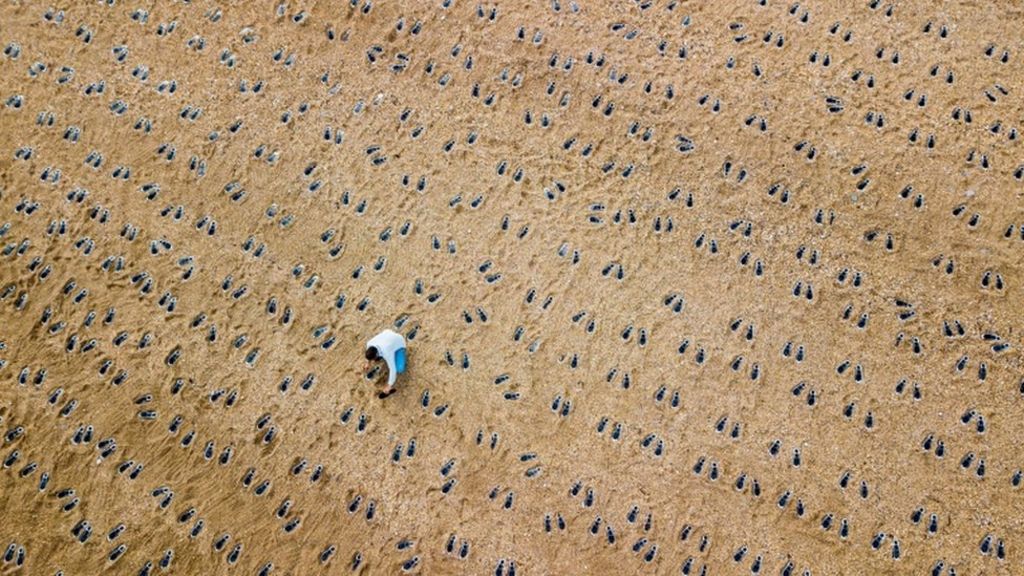
Bootprints of 749 troops were laid out on Slapton Sands, Devon, in April 2019 to mark the 75th anniversary of Exercise Tiger.

Friday, 18 December 2020

Friday Five: Best Theatre of 2020


What with one thing and another (I think we all know what I mean), I've not had the chance to see much live theatre this year. So most of my top theatre of the year was seen in the first three months of 2020. And it was in Canberra/ Queanbeyan because we can't travel. I'm not including the National Theatre Live films of productions in this list, although some of those were excellent and certainly helped to get me through a period when I couldn't go to the theatre.
Tom Healey in Red Stitch Theatre's American Song
5 Best Theatre Production I Saw in 2020 (in alphabetical order):
  1. American Song - Red Stitch Actors' Theatre and Critical Stages Touring, Queanbeyan Performing Arts Centre: One man theatre performed by Joe Petruzzi, directed by Tom Healey, and written by Joanna Murray-Smith is a heart-felt and sensitive account of how to cope with unfathomable loss due to gun violence. It's not as preachy as it could easily be, and the dry-stone wall metaphor may be a little stretched, but it is so well-meant that I'll let it stand.
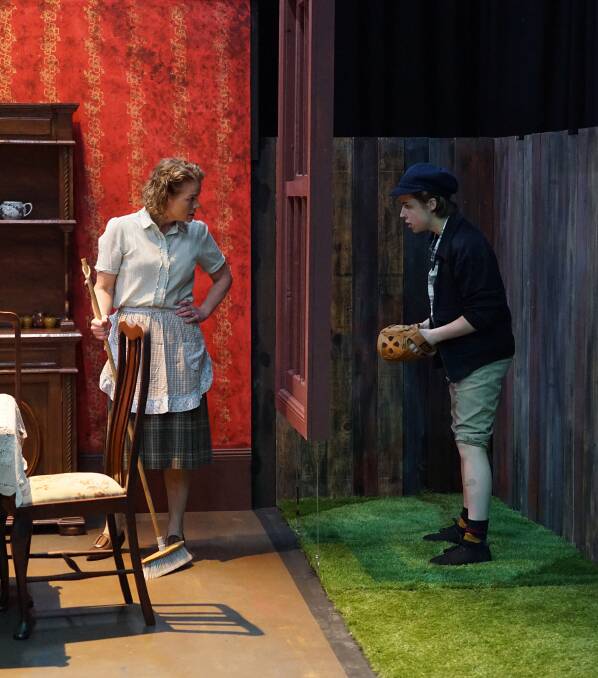
  2. Brighton Beach Memoirs - Canberra Repertory Society, Theatre 3: If I'm honest I'm a bit bored with stories about men being men or becoming men. I know this is not the fault of the writer (write what you know. right?) but rather the publishing houses and production companies who choose these stories over anything else. But the second rule of reviewing is 'review what is there; not what you want to be there' (the first is 'don't give away the plot'), and in that vein, this is a pretty fine production. Director Karen Vickery has obviously worked on diction and projection - despite the assumed American accents, I can still understand 90% of what the cast are saying - and has also imported a realism of action that works well with the home-spun tale of how a kid became a writer. The semi-autobiographical character of Eugene Jerome is played with plenty of energy and promise by Jamie Boyd, who looks to have a bright future if theatre survives in this town, and, as his mother, Victoria Dixon is dignified and powerful with an exceptional touch of insecurity. The family dynamics with their alliances, splits, and hierarchical divisions (three adults, three children and one teenager are crammed into a Brooklyn apartment) are highlighted brilliantly by Chris Baldock's set, which paints its own claustrophobic pictures.
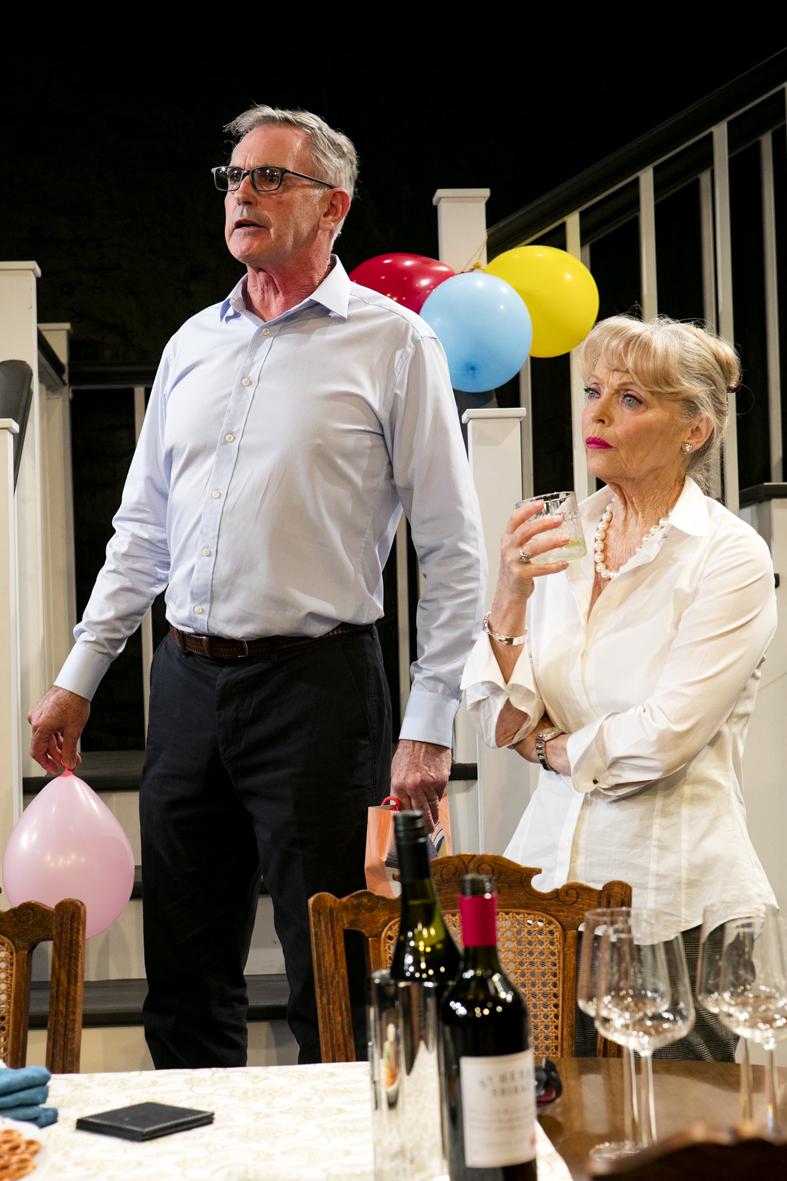
  3. Family Values - Griffin Theatre Company, The Playhouse: Full of meaty goodness - political satire in its natural habitat with plenty of energy and dysfunctional dynamics. As he prepares for his 70th birthday, retired judge, Roger (Andrew McFarlane) holds forth smugly on a number of issues, including refugees, detention centres and boat people, in such a way that will obviously be challenged when his family arrive and question all of his assumptions. Great work by creative cast and crew brings this aphoristic text (David Williamson) to life.
  4. Hell Ship - Chester Creative, Queanbeyan Performing Arts Centre: Another one-man show (more likely due to financial considerations rather than viral ones) as Michael Veitch interprets a personal story about the doctor on board the 'fever ship', Ticonderoga, which arrived in Melbourne in 1852, and on which 170 of the 800 passengers (mainly Scottish families who had embarked seeking a new life) died from typhus. The doctor, James William Henry Veitch was Veitch's great-great grandfather, and he portrays his initial warmth, humour and subsequent survivor's guilt with the help of a sheet and some creative lighting.
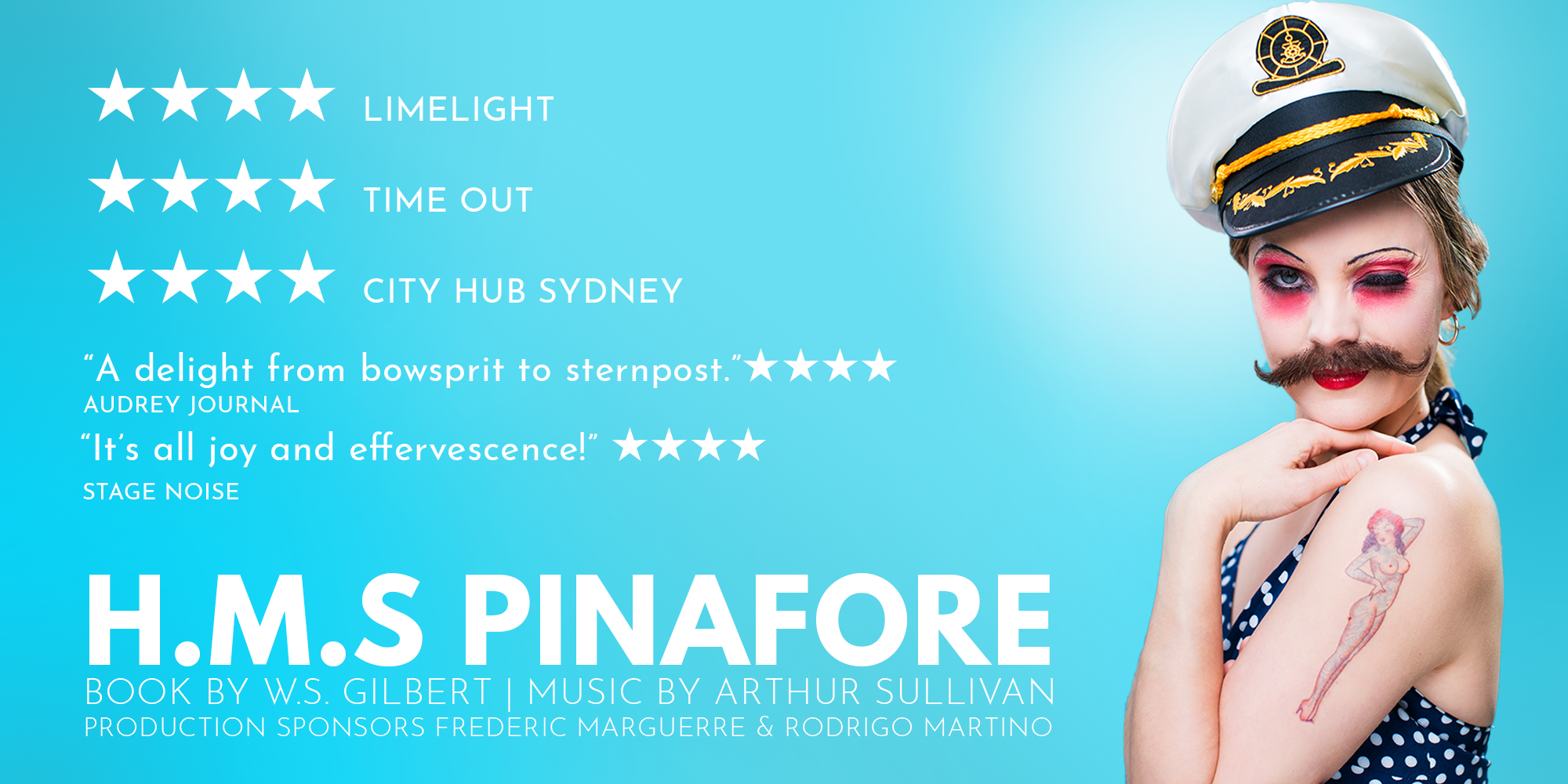
  5. HMS Pinafore - Hayes Theatre Co, Queanbeyan Performing Arts Centre: This show is amazing! Kate Gaul has directed a masterpiece with respect and irreverence in equal measure. I suspected I would like it, but I was not expecting to love this as much as I do: I simply can't stop smiling. The star-crossed lovers; the mismatched marriages; the mistaken identities; the entirely relevant gender-reversals; the songs I didn't even know I knew; the hyper-realism of set and costume... Oh joy, oh rapture unforeseen; it is absolutely beautiful and an utter delight. In case you can't tell, I f*•^ing loved it.
Andrew McFarlane as Roger and Belinda Giblin as Sue in Griffin Theatre's Family Values
I would also like to give a special mention to a couple of venues who have done everything they can to support live performance (theatre; music; comedy), namely The Basement in Belconnen, Smiths Alternative, and Canberra Repertory Society in the CBD. They have kept going as best they can providing entertainment to live audiences and encouraging the arts in the most fundamental and necessary manner. People want to perform and people want to see them do so - let's keep this alive.
Victoria Dixon as Kate and Jamie Boyd as Eugene in Canberra Rep's Brighton Beach Memoirs

Monday, 14 December 2020

There is no Planet B: The Battle of the Labyrinth


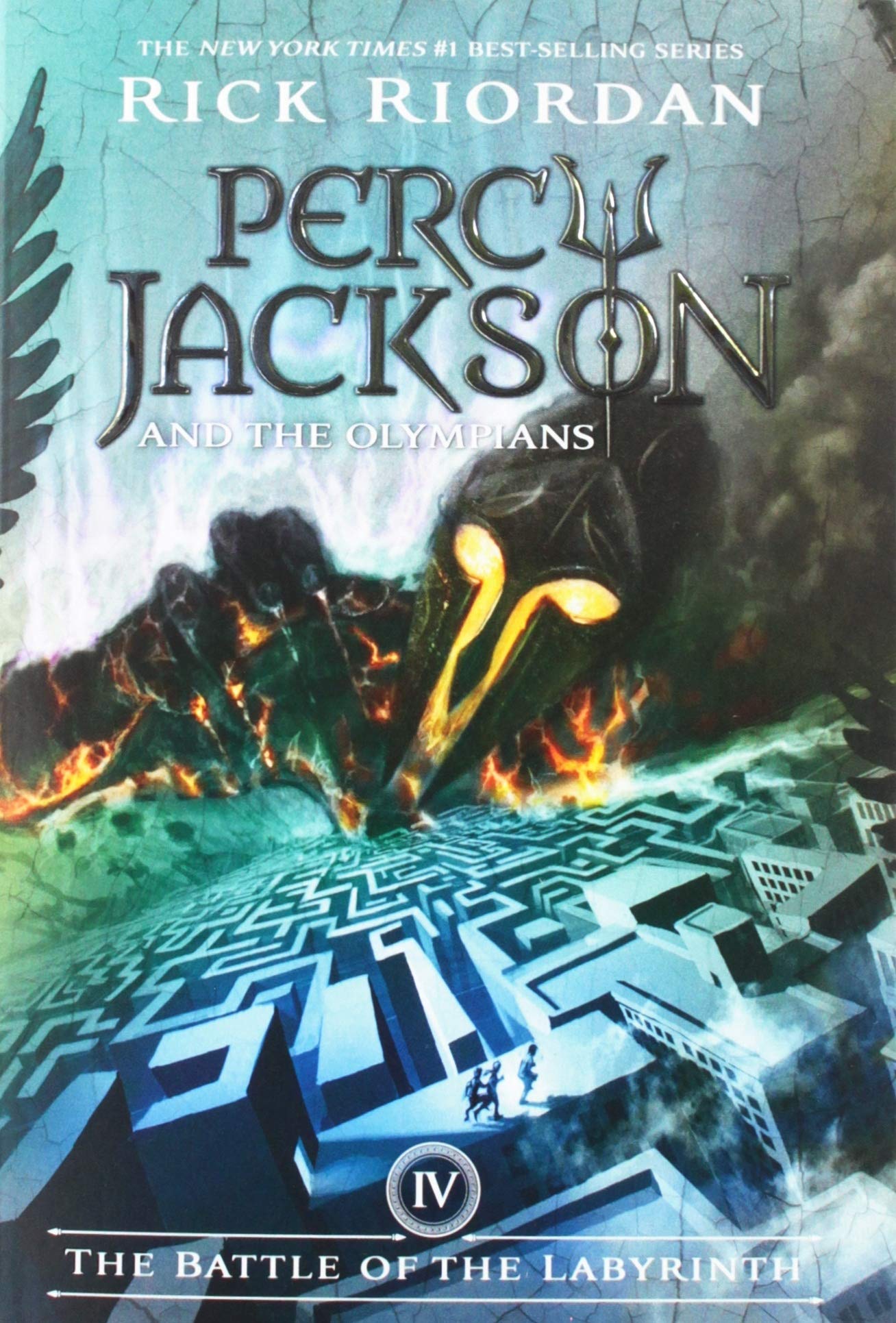
The Battle of the Labyrinth by Rick Riordan
Disney Hyperion
Pp. 361

In this fourth instalment in the Percy Jackson and the Olympians series, Percy and his companions embark on quest through the Labyrinth, a terrifying place created by Daedalus, which exists in another dimension. Like its predecessors, the novel is an entertaining introduction to the world of Greek mythology, featuring gods, heroes, monsters, half-bloods and mortals There are great action scene set pieces, and an underpinning ecological message that keeps the pace varied and adds a touch of depth to the adventures.

We meet many gods, who mostly fight each other: the Olympians are in perpetual conflict with the Titans, ruled by Kronos who is gathering his forces in secret. The gods with their games and their prophecies are fickle and deceptive. Thy are omnipotent, yet they fight against the heroes and half-bloods with their magical assistants. For example, Quitus has a large and terrifying hellhound called Mrs O’Leary who can kill and chews on a life-size squeaky pink rubber yak. There are magical swords, invisibility caps, and charmed whistles, but we learn that humans’ knowledge can help as much as (if not more than) magic.

In a gameshow sequence Annabeth has to answer the sphinx’s riddle: she thinks she knows it (the one about the ages of man), but it has been changed because everyone knows that one by now. “Canned applause blasted from the ceiling, as if there were invisible loud speakers. Spotlights swept across the room and reflected off the dais, throwing disco glitter over the skeletons on the floor.” The pop-culture meets horror story aesthetic is very similar to a Stephen King novel.

The satirical style is maintained throughout to counteract the hyperbolic escapades, and Riordan makes great use of the deadpan approach (pun intended), such as when he introduces the idea of Grover searching for Pan, god of the wild. It is Grover’s mission to find Pan, and if he fails, his life means nothing. “I’d never heard him sound so confident about anything, except maybe that cheese enchiladas were better than chicken enchiladas.” Pan’s wilderness is being destroyed by humans and development. Gods can’t die, but they can fade, as Pan tells Grover, “when everything they stood for is gone. When they cease to have power, and their sacred places disappear. The wild is so small now, so shattered, that no god can save it. My realm is gone.” 

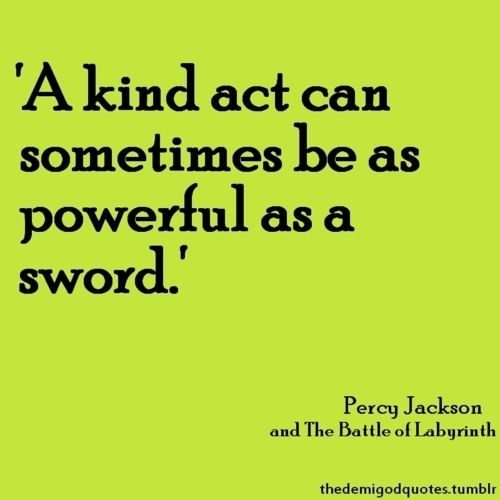
The remaining humans must work together for salvation. The name, Pan, originally meant rustic, but over the years it has come to mean all. “The spirit of the wild must pass to all of you now. You must tell each one you meet: if you would find Pan, take up Pan’s spirit. Remake the wild, a little at a time, each in your own corner of the world. You cannot wait for anyone else, even a god, to do that for you.” The environmental message is strong, suggesting that life (both of people and the planet) is fragile and that we should take more care of it. Hephaestus bemoans, “People are more difficult to work with than machines. And when you break a person, he can’t be fixed.”

Percy Jackson was hailed as the new Harry Potter, and there are many similarities with J.K. Rowling’s wizard world. Percy is different; he has ADHD, which means he can’t sit still and he blurts things out – perhaps this is also an excuse for antisocial behaviour? His dreams threaten to torment him, as did Harry’s. He goes to camp every summer, fights to protect his friends, starts having human hormones, learns to accept difference, and deals with monsters and magic that ‘normal’ humans can’t see. Camp Half-Blood is very dangerous and people die there; each year there is a quest, and everyone wants one so that they can prove themselves. Rachel asks Percy, not unreasonably, “So you do this every summer? Fight monsters? Save the world? Don’t you ever get to do just, you know, normal stuff?”

There are five novels in this series and it is all building to the final show-down. After all, that’s how fantasy always ends; not with a whimper, but with a big bang.


Friday, 11 December 2020

Friday Five: Christmas Tree Ornaments


As we now have kittens in our lives, I managed to persuade Him Outdoors that we needed a tree for their first Christmas. Cats of any age love Christmas trees; all those shiny things to play with and pull off: such fun! I was a little concerned that they might hurt themselves or cut their paws if they broke anything, so I only decorated the tree with robust and non-shatter items. There are still many precious memories among the branches.

7 Christmas Tree Decorations:
  1. A football - of course 
  2. A fantail - given to us by The Weevil and a reminder of New Zealand
  3. A tui - a gift from another Kiwi friend
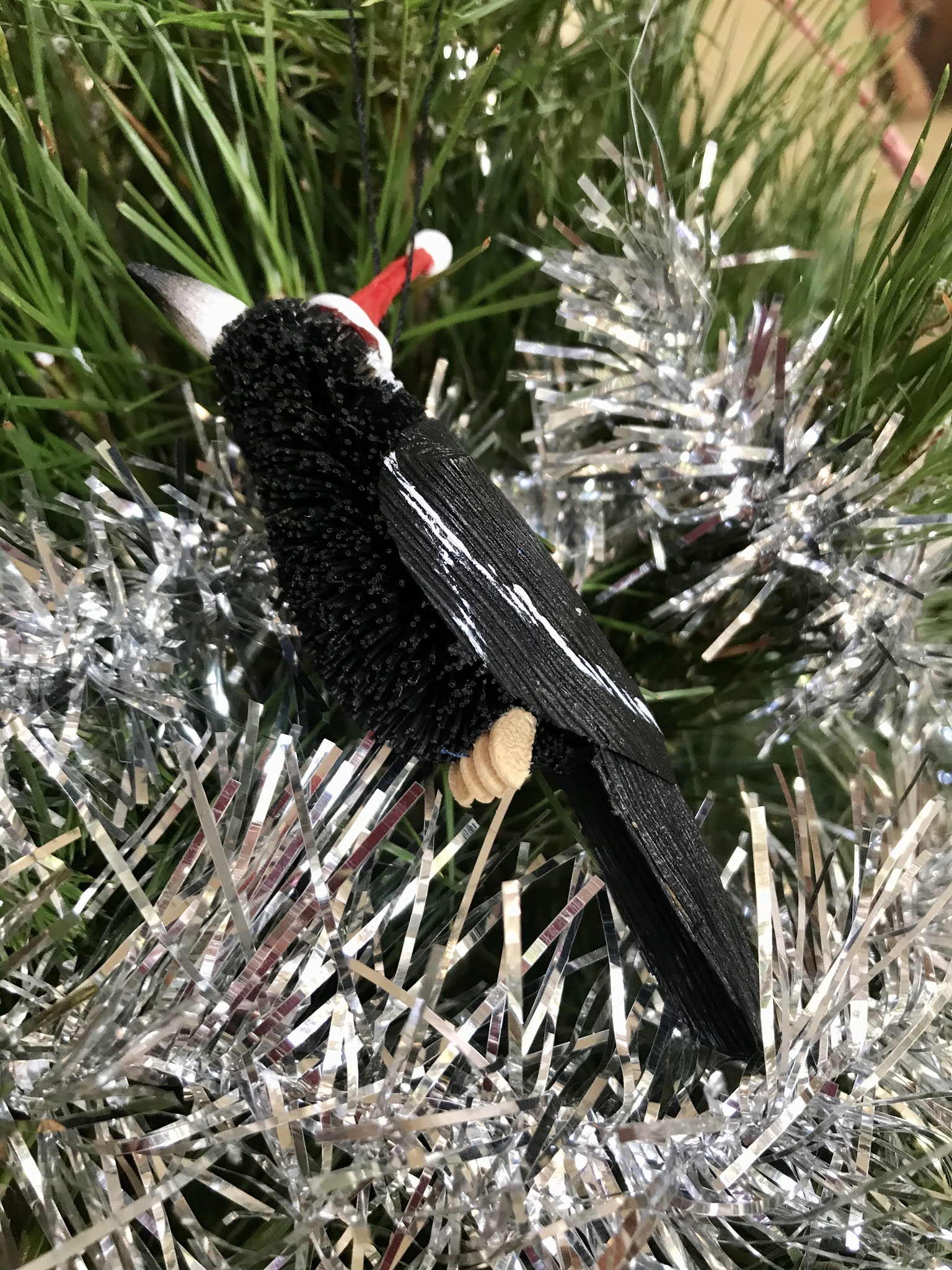
  4. A magpie - we've also got a couple of doves nestling among the branches - I love to see birds in the trees
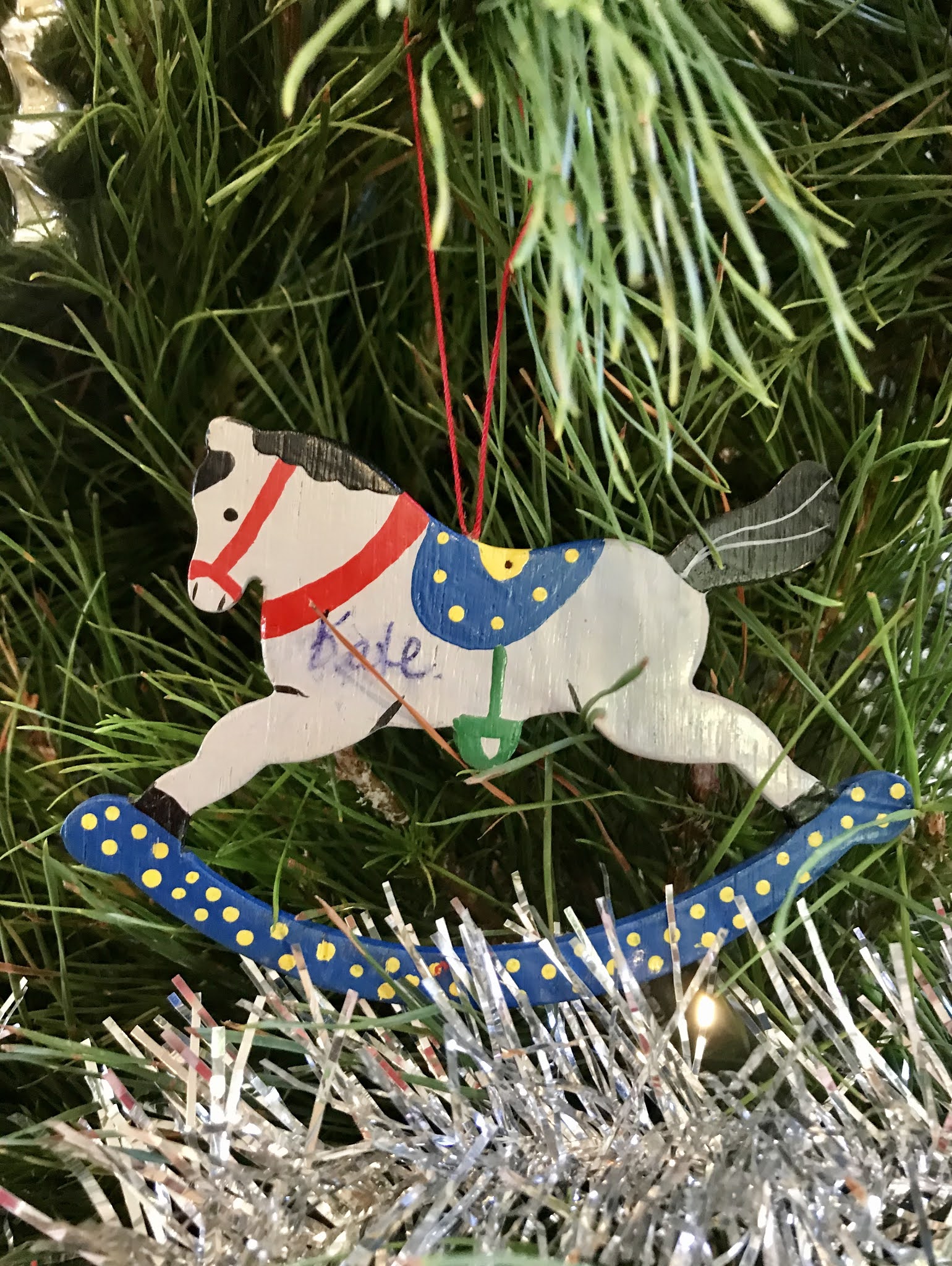
  5. A rocking horse - my mother decided this one was for me - you can tell because she wrote my name on it
  6. A collage Christmas tree on a Christmas tree - very post modern from Nephew Aidan
  7. Pom poms - as you do (if you're Niece Niamh)

Friday, 4 December 2020

Friday Five: Stitching and Bitching

Here are another five of my latest cross-stitch creations. The first two patterns and explanations are taken from Really Cross Stitch; for when You Just Want to Stab Something a Lot by Rayna Fahey.

No borders unless they're pretty and floral
"This pattern is dedicated to people fleeing persecution who, despite all obstacles still strive to create a clean, tidy, safe space for their loved ones to rest before facing another day.

The women who sew together rags for their wee ones 'cause they know how important it is for a two-year-old to have a cuddly friend. The women who dress in black and march for peace amid gunfire and tear gas. All the while carrying giant handbags with keys and snacks and hankies for small runny noses."
C'mon gang: Be excellent to each other
"Stop for a moment and imagine what the world would be like if everyone did one simple act of kindness for a stranger, every single day.

"Old ladies would get safely across roads, lost wallets would be returned to their owners, wars would stop breaking out all over the place. the possibilities are truly endless. Pay it forward people, I think we're onto something here!

"Fucking kindness. It just works every time."

The remaining images are little kits by Thomas Joseph that I picked up back in the UK, where we like cheap gags and sheep. Well, wouldn't ewe?

Wednesday, 2 December 2020

On Shifting Sands: Celestial Bodies


Celestial Bodies by Jokha Alharthi
Sandstone Press
Pp. 243

Originally titled Sayyidat al-Qamar (Ladies of the Moon), Celestial Bodies is the third of Alharthi’s novels, but the first novel by an Omani woman to be translated into English and the first novel in Arabic to be awarded the Man Booker International Prize (which Alharthi shared with her translator, the Oxford academic Marilyn Booth in 2019). It spans several generations, from the final decades of the 19th century to the early years of the new millennium, and captures the changing mores and traditions in society, particularly in how they relate to women.

The family tree at the beginning of the book is crucial, and even with constant reference to it, the timelines can be a little hard to follow. The novel focusses on three sisters and their marriage prospects. Mayya marries Abdallah as she is told to after a heartbreak; Asma marries Khalid out of a sense of duty; Khawla rejects all offers while waiting for her beloved, who has immigrated to Canada. It is narrated by an omniscient narrator (who knows all about the women) and alternate chapters (in a different font) by Abdallah (who doesn’t).

Abdallah’s chapters are narrated as he is on a flight from Muscat to Frankfurt and he dreams fretfully of women accused of witchcraft and of the source of his father’s wealth back in his hometown of al-Awafi. Now little more than an oasis for nostalgia, it was once a hub for the slave trade, a practice that was not outlawed in Oman until 1970. It is no accident that the named narrator is not grounded as Alharthi inhabits the liminal space between memory and forgetting; the truth and the stories.

Marriage and childbirth are centre stage: customs are followed or disregarded and everyone has an opinion about how to follow them or not. Asma reads all the books and religious texts that she should, including On Matters of Purity although she finds the chapters so boring that she stops, but not before she gently mocks the highly restrictive guidelines on personal matters. Customs which are only followed for form are ridiculed, whereas those that come from logic and reason are upheld. It is still a patriarchal society, but there are social benefits to marriage. “Now she would be one of the women who sat around their coffee in the late mornings and then again at the end of the day. She would be invited to lunch and dinner, and she would issue her own invitations, since she was no longer merely a girl. Marriage was her identity document, her passport to a world wider than home.”

Women must still strive for individual recognition. When Mayya has her first child, it is a girl, which is considered lucky as it means that boys will follow. “The first one’s a girl, and a girl comes to raise her little brothers.” She calls her London, which name the family ridicule, but Mayya wants to give her a future elsewhere in the world.

The changes are occurring slowly, and the generations have different ideas and ideals. The novel is short and contains vignettes of multiple characters, such as Bedouin businesswomen, slave owners, gossips, poets and arms dealers. Celestial Bodies leaves an ethereal impression of vibrant sketches rather a chronological saga, and it provides a new and appealing voice. In a land of shifting sands, Jokha Alharthi is a shaping energy.

Jokha Alharthi and Marilyn Booth share the Man Booker International Prize for writing and translating Celestial Bodies