Every day there seems to be a new alarming story about how the world is doomed and we are all going to die. (Actually, the planet will regenerate eventually; it's the Human Race that will have serious problems, but that's another issue.)
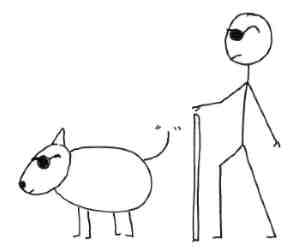
The latest is that even though we are recycling, we are not recycling hard enough. There is a tired story still doing the rounds of old folk (40+) getting fed up with young people (the 'we discovered everything' generation) telling them how to recycle. Recycling changes. In 'my day' we collected silver foil and milk bottle tops for the Blue Peter appeal for the Guide Dogs for the Blind. We sent it all into the studio BBC TV Centre, London W12 8QT (every British child of the 80s will remember that address by heart), and the program raised enough money to fund two guide dog puppies, and subsequently followed their training. I actually thought they were blind dogs, not dogs for the blind, and though I have nothing at all against blind humans, I was a little disappointed that my efforts did not go towards helping sightless canines.
Much of the recycling that we put into our bins in Canberra and send to China is not recyclable. China sends it back, which leads to unnecessary pollutants, and it ends up in landfill anyway. China used to be the largest importer of the world's recycling, accepting over 30 million tonnes every year. Until a few years ago, China accepted recyclables with a contamination level of around 5% (contamination being incorrect items mixed in with the material to be recycled). However, the National Sword Policy of January 2018 introduced a strict contamination limit of 0.5%, which meant that much of the world's recycling could not meet this new export standard.
Not all plastic is accepted in recycle bins (only numbers 1, 2, 3, and 5 - the number is printed within a triangle on the container); neither is all glass (if it has been heat-treated; it is unacceptable. Yes, all glass is heat-treated, I would have thought, but...). Cardboard and paper are fine, but shredded paper is not. If you want to protect your identity, it will have to go to landfill; take your secrets to the grave, as it were. Anything smaller than a credit card should not be put into recycle bins - it ends up in the ocean and kills the turtles.
There is also the issue of conflicting information: the ACT Government website states, 'Keeping recyclables clean is important to ensuring they can be processed effectively and are able to be sold in competitive markets. We need people to wipe, scrape or rinse out food and drink before placing containers in the recycling bin.' But, an ABC News article of February 2019 trumpets, 'As opposed to other places in Australia, you do not need to worry about rinsing bottles, jars or yoghurt containers in the ACT. There really are no excuses!'

But there is some good news in all of this. Those small plastic milk bottle tops that you can't put in the recycle bin, can be used to great effect. Envision Hands is a not-for-profit community initiative that uses 3D printing to turn plastic waste into mechanical hands and arms for kids, and those plastic bottle tops are perfect for the job. They are shredded and made into a filament, then fed through a 3D printer, and they turn into fingers. Okay, so I'm sure there's a lot more science to it than that, but the good news is that you can help by taking your (rinsed) bottle caps to a collection point.
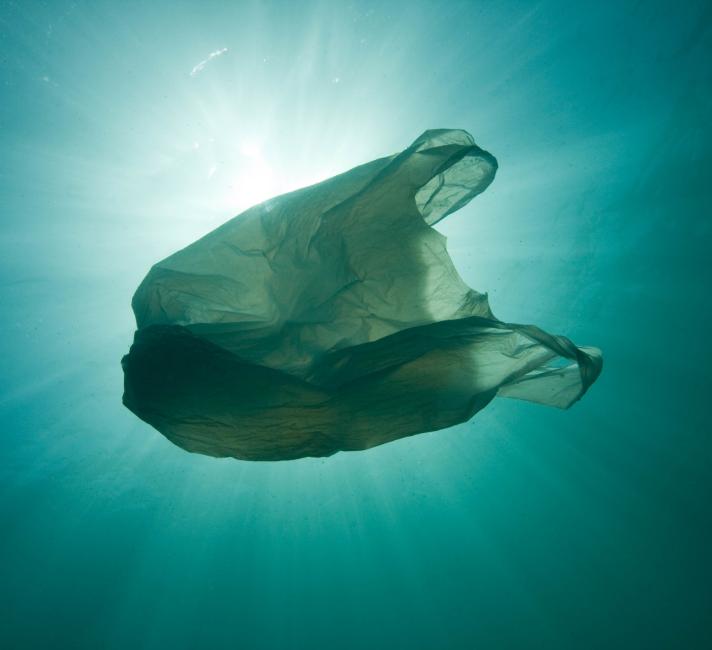
Do you ever feel like a plastic bag? No, Katy Perry, I don't. But thanks for asking.
I recently learned that The Lion Foundation is involved with an initiative to recycle the aluminium screw caps on wine bottles. This pleases me greatly, and appeals to my wombling mentality.

I like recycling. I like the feeling that I can contribute something to someone else. When we were kids the Scouts used to collect newspapers. It was my job to bundle them up in orderly piles, tie them up with string and leave them out on the front doorstep.
At school there was a collection of ‘silver paper’ which went to the guide dogs (not the blind dogs as I used to call them), although what they did with it I couldn’t imagine. There was one particular type of chocolate (was it a Penguin or a Kit-Kat?) that had silver paper backed with a greaseproof layer. You could waste hours in the warm kitchen peeling these wrappers apart rather than doing your homework upstairs.
The earnest presenters on Blue Peter were always collecting keys or stamps or foreign coins for various appeals. I can’t remember (if I ever knew) why or where they went – probably to the starving children in Africa; we were all very concerned about them in the early 80s I seem to recall. The motives were less important than the actions themselves. It was and is fun to collect things, and it’s even better that this aimless hoarding has a purpose, even if that purpose is obscure.
After all, we all like to do good deeds; it makes us feel better, and what’s wrong with that? No charity is entirely altruistic. If I can do good by eating chocolate or drinking wine, then so much the better. There’ll be a big box of wine bottle tops turning up at the Lion Foundation soon, and I’m sure we’ll both appreciate it!