
When we visited Stirling Castle, we saw an exhibition about the kings and queens of Scotland and their relations with the castle itself. It began with a family tree, which claimed to illustrate the direct blood link between Kenneth MacAlpin and Robert the Bruce. A cautionary note warned that 'the route between was often complicated'. This was written by the master of understatement.
Now, I have no illusions that I am any good at this sort of thing, and this is certainly not any attempt at providing a definitive history. There are, however, a few names that capture the imagination here.
1. Kenneth MacAlpin (842-858) - Kenneth (snort); it just doesn't seem like a very regal name. He was, however, apparently a notable warrior and the first leader to establish power over the Picts and the Scots to unite them in the kingdom of Alba, now known as Scotland.
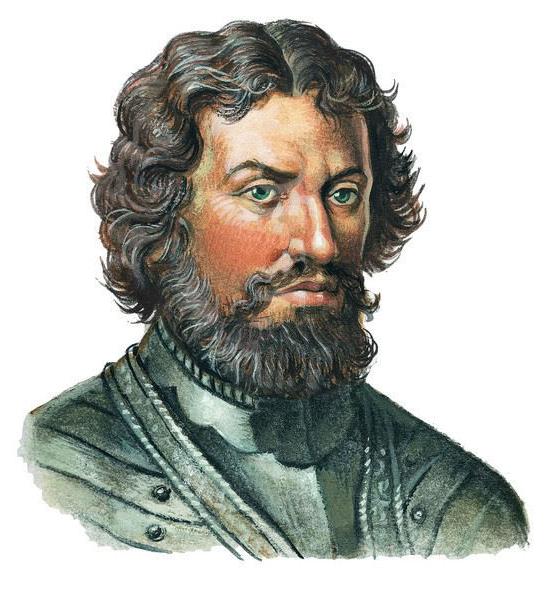
2. Macbeth (1040-1057) - There is a section of the long line (or tenuous ribbon if you prefer) of divine monarchical inheritance which reads, 'Duncan I 1034-1040; Macbeth 1040-1057; Lulach 1057-1058 ; Malcolm III (Canmore)1058-1093'.
It would seem that Duncan I launched an attack on Moray, Macbeth's lordship, and was killed in action by Macbeth's troops. Macbeth subsequently became King of Alba where he ruled peacefully for 17 years with apparently little opposition. His only major confrontation during his reign was an English invasion in 1054, led by Siward, Earl of Northumbria on behalf of Edward the Confessor. Macbeth was killed at the Battle of Lumphanan in 1057 by forces loyal to the future Malcolm III. He was buried on Iona, the traditional resting place of Scottish kings. Macbeth was briefly succeeded by his stepson, Lulach, who only ruled for a few months before being killed by Malcolm III, whose descendants continued to rule Scotland for another two hundred years.
Wikipedia tells us, "Macbeth is today best known as the main character of William Shakespeare's tragedy Macbeth and the many works it has inspired. However, Shakespeare's Macbeth is based on Holinshed's Chronicles (published in 1577) and is not historically accurate." Wait, Shakespeare fudged the facts? Well, I never...
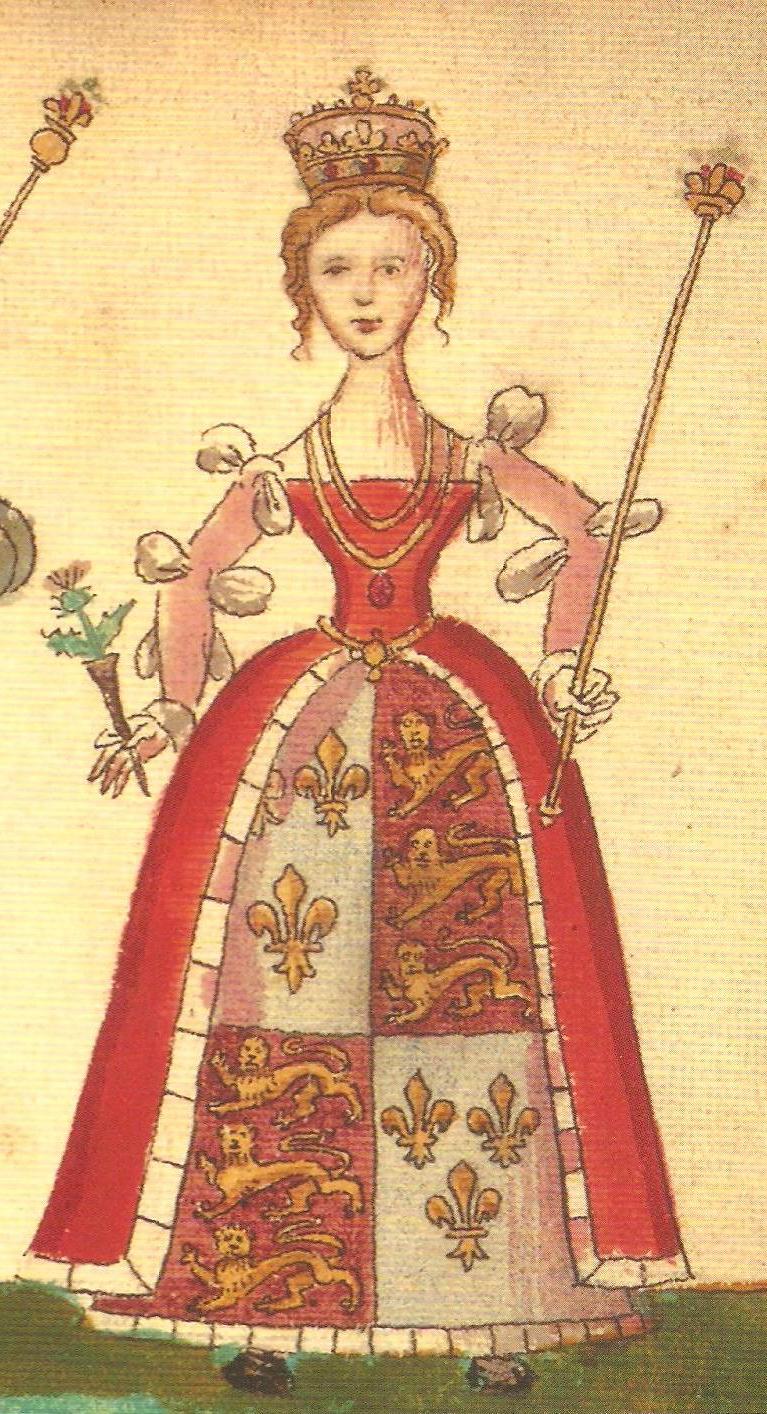
3. Joan Beaufort (1424-1437 & regent 1437- 1439) - She was twenty when she married James I: he made her co-monarch and gave her Stirling Castle as a wedding present, which was nice. When James I was assassinated in 1437, Queen Joan smuggled their young son, James II, to Stirling Castle for safe-keeping. She then ruled from here as regent, surely making her one of the most powerful women in the land.

4. James IV (1473-1513) - Apparently this James was a passionate supporter of arts and culture (hurrah!). He was clever and well-educated, spoke seven languages and surrounded himself with poets, musicians, writers and philosophers. He was influenced by Classical ideas and the culture of the European Renaissance. He also seemed to rather like building (or at least, having other people build things for him). While at Stirling Caste he commissioned building works on a grand scale including the old Chapel Royal, the Great Hall the Forework and the King's Old Building.
Also, somewhat importantly, in 1502 he signed the rather ambitious-sounding Treaty of Perpetual Peace with England, and the following year married Margaret Tudor, daughter of the English king, Henry VIII. Well, that's all nicely settled then.
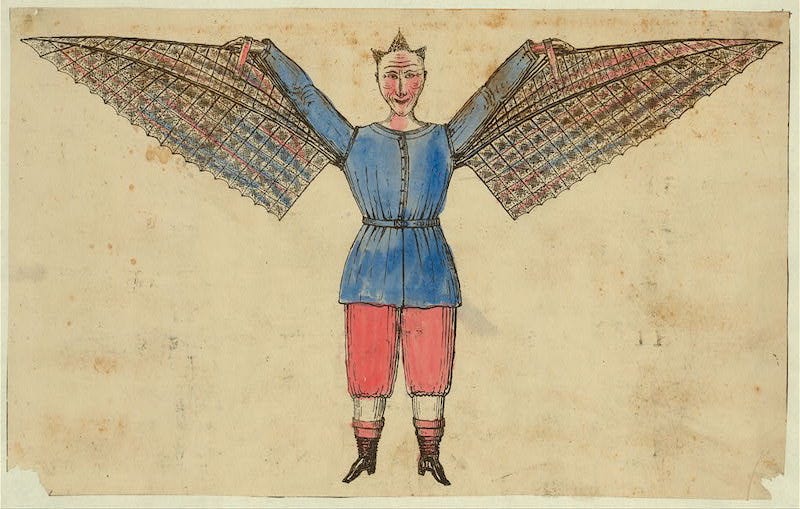
5. John Damian - Not a king, but a fascinating figure nonetheless. He was an Italian alchemist who believed he could transform base metals into gold. As James IV's court welcomed artists, scientists, and classically-trained poets and thinkers, Damian's claims intrigued the king and he was set up with a laboratory at Stirling Castle. "Despite the generous royal funding, Damian had no success." I wonder why...?
In 1507, in an attempt to retain the king's support, Damian tried a new experiment. He made wings from chicken feathers and announced he would use them to fly to France from the walls of the castle. His doomed flight from the Ladies' Lookout on the west side of the castle ended in a dunghill. Damian blamed "the wrong kind of feather". Is there a play about this? If not; there should be.

6. Mary Queen of Scots (1542-1587) - All joking aside (because she's not exactly known for her sense of humour), Mary is probably the queen that the country knows best. She lived at Stirling Castle until 1548 when she was sent to France "for safe-keeping". She returned to Scotland in 1561.
As an adult, Mary spent much of her seven years at Stirling Castle. In 1566 the Old Chapel Royal was the setting for the baptism of her son, the future James VI. No expense was spared. Mary borrowed twelve thousand pounds (about two million today) to fund the event. During a great ceremony to impress the foreign emissaries, Mary laid on three days of "feasting, fireworks, music and masquing" in a celebration to rival anything Europe had ever seen.

