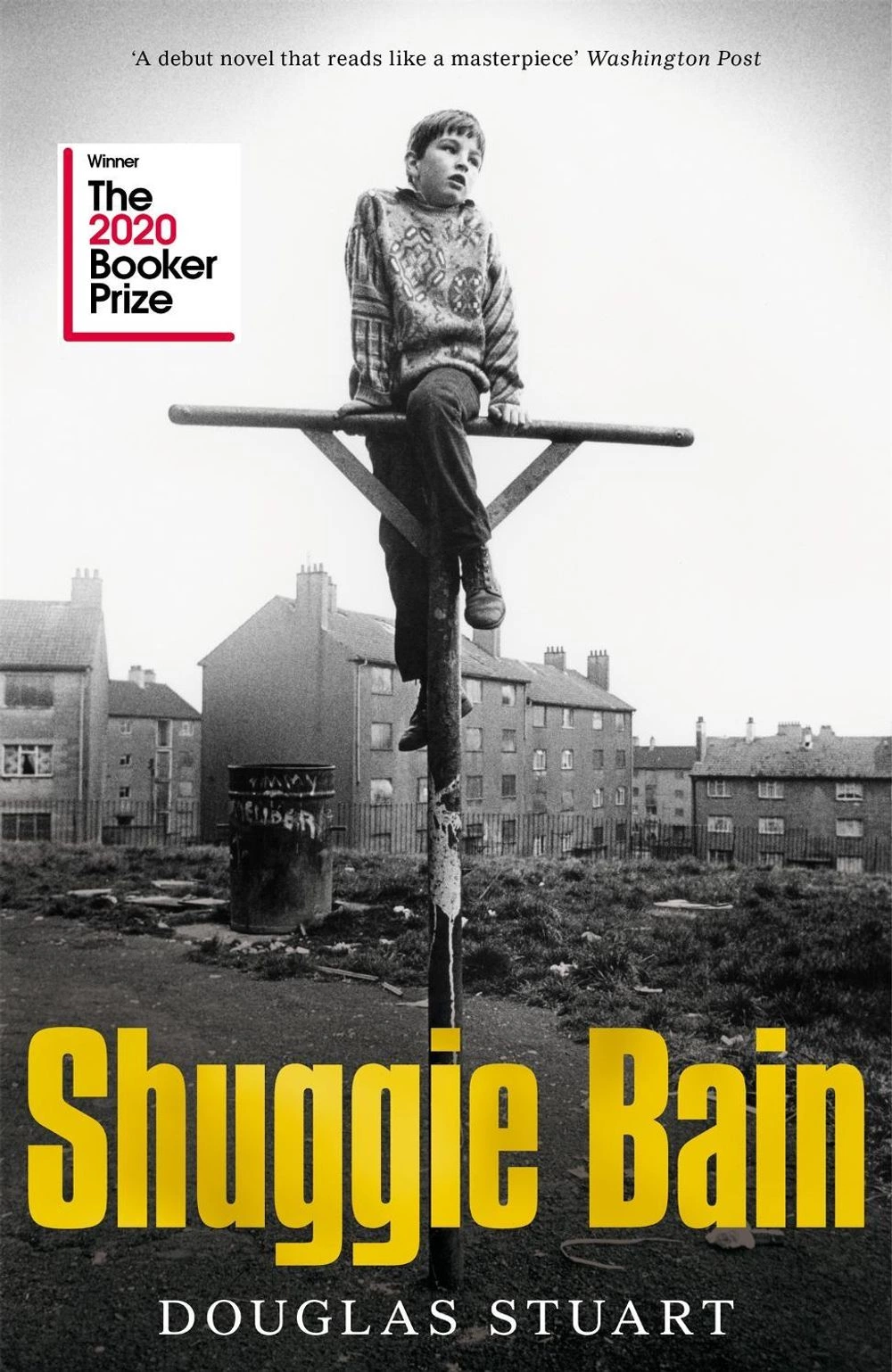
This
beautiful and bleak Booker Prize winner (2020) is a story narrated by a boy
about his mother and how she was destroyed by his father. The acknowledgement
states, “Above all, I owe everything to the memories of my mother and her
struggle.” The struggle of the mother in this novel, Agnes, is with her
desperate need for love, her spiral into drink and depression, and her
humiliation and denial of her situation. The writing is as sharp as a scalpel,
slicing through the pretensions of society to the ugly truth beneath, with a
Celtic use of expression that means a person doesn’t blush or turn red; she
‘crimsoned’.
Agnes had talent and promise,
and her downfall was loving a man who didn’t deserve it and wasn’t special. Big
Shug is a taxi driver and thinks of himself as a ladies’ man. “She had loved
him, and he needed to break her completely to leave her for good. Agnes Bain
was too rare a thing to let someone else love. It wouldn’t do to leave pieces
of her for another man to collect and repair later.” Perceptions come from
multiple angles and all of them carry bitterness and resentment at unfulfilled
dreams.
“To
be thirty-nine and have her husband and her three children, two of them nearly
grown, all crammed together in her mammy’s flat, gave her a feeling of failure.
Him, her man, who when he shared her bed now seemed to lie on the very edge,
made her feel angry with the littered promises of better things. Agnes wanted
to put her foot through it all, or to scrape it back like it was spoilt
wallpaper.”
The setting is the suburbs of
Glasgow, where different worlds co-exist, and each pretends not to notice the
other. “It was true that the ring of green around Glasgow held the new slums of
the urban resettlement, these forgotten, remote housing schemes. It seemed
cruel to Agnes that these green fields also held some of the fanciest hotels
and private clubs she had ever seen. The two different worlds didn’t like to
look on each other.” Promise is never realised and disappointment is always
imminent. “These low houses looked like ants gathered around trees, or scraps
made of the council breeze blocks left over from the high rises. What was once
built to be new and healthful now looked sick with a poverty of hope. There was
no grass and no greenery; every flat surface was concreted over or covered in
large, smooth round boulders.”
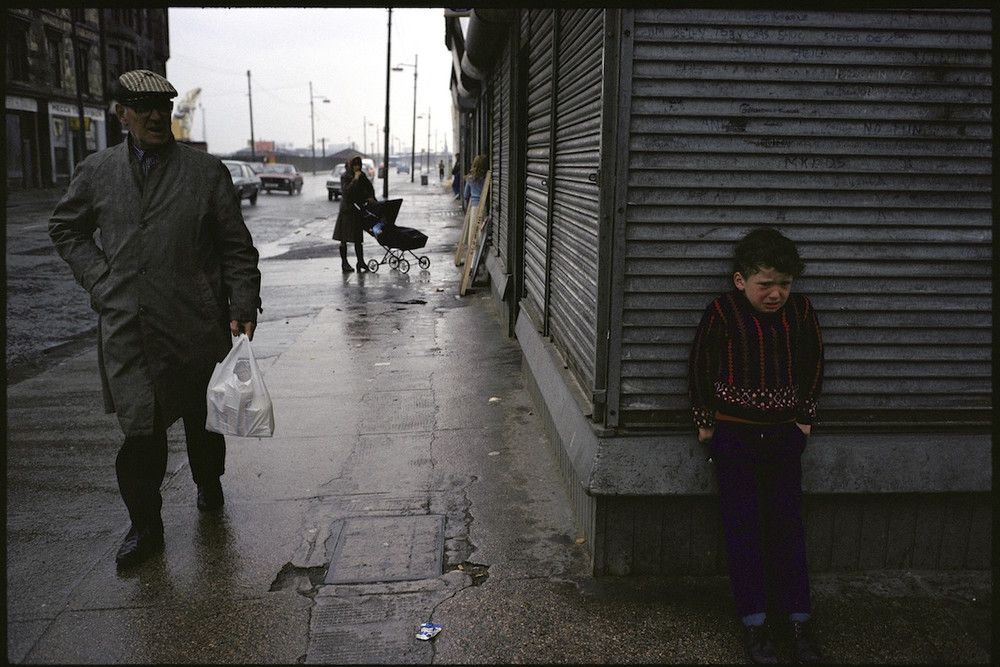
It is grim and poor as people
struggle to maintain their dignity in a pathetic fallacy. “Rain was the natural
state of Glasgow. It kept the grass green and the people pale and bronchial.”
Nothing good is without unpleasant consequences; even a break in the weather is
not wholeheartedly celebrated. “That summer had been unusually hot, with a
series of long, dry days all strung together and a clear sun that rewarded
enthusiasm with the threat of heatstroke and blisters.” Some moments are almost
comically dull and tragic, and the black comedy is evident.
“Agnes
was worried about her whites. All that summer the news was about Chernobyl and
the nuclear explosion that had happened there. It had been a sad but distant
worry until a man on the news warned about a light nuclear rain that was
falling over the west of Scotland as it headed on to Ireland. As Shuggie helped
her bring in the washing from the back line she asked him whether nuclear
fallout might actually help get out stubborn stains. The boy shook his head;
no, it wouldn’t be like a bleach.”
At times it reads like a play script,
and I’m reminded of Road by Jim Cartwright or Jerusalem by Jez
Butterworth. Scenes are set with precision and echoes of failure and disillusionment
abound. Christmas and Hogmanay are special events that are heartbreaking
because Shuggie will not enjoy them with childhood innocence and wonder. “He
took out the little red football book that Eugene had given him and began to
memorize all the teams and results of every match of the previous year. He was
penitent with these Hail Marys, going over and over the meaningless scores
until he had committed them to memory. It would be a new year, a new chance.”
He witnesses the world around him, full of the ghosts of previous prosperity.
“The
miner’s tackety boots made sparks on the tarmac. The men slowly started
drifting one by one along the empty road. There was no colliery whistle now;
still the men were pushed along by the muscle memory of a dead routine, heading
home at finishing time with nothing being finished, only a belly full of ale
and a back cowed with worry. Their donkey jackets were clean and their boots
were still shiny as they jerked along the road. Shuggie stepped back as they
passed, their heads lowered like those of tired black mules. Without a word,
each man collected a handful of thin children, who followed obediently, like
reverential shadows.”
There is no romance or
softness; merely a sense of desperation. At a girls’ night in, women get boisterous
and buy underwear. Even their temporary release is laced with a prudish sense
of disapproval – as if they were forced to confront their drunken actions when
sober in the morning. “It was a certainty that the poor skinny husbands they
kept at home would be suffocated later than night. The women, smelling of
vinegar and stout, would go home and climb on top of them. Giggling and
sweating, yet feeling for a moment like fifteen-year-olds again in their new
bras.” This might sound like harmless fun if not for the sardonic follow-up. “They
would strip to holey tights and unclasp their swinging tits. It would be drunk
open mouths, hot red tongues, and heavy clumsy flesh. Pure Friday-night
happiness.”
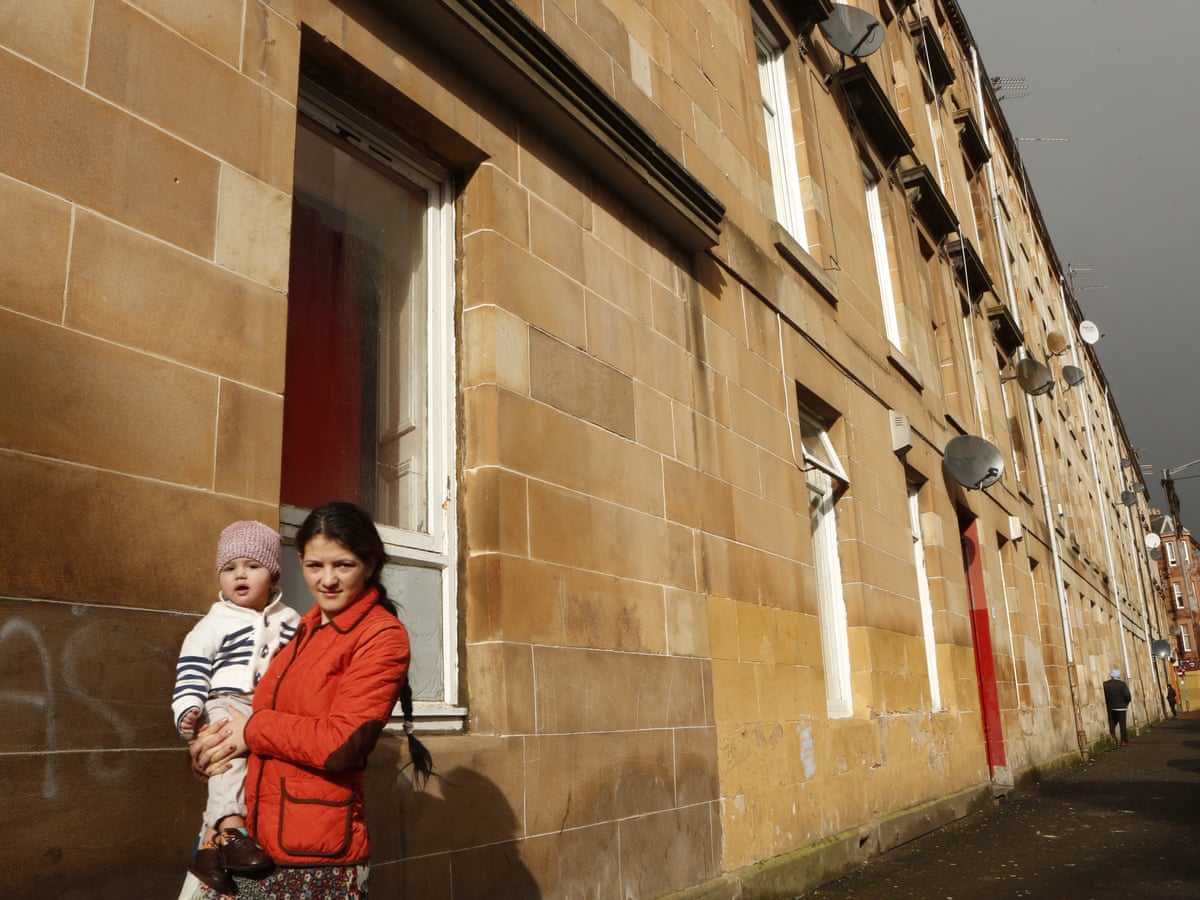
“Grey men stood around the mouth of the Miners Club, drinking their lager in the weak sun. Even though the weather was muggy and close, they all wore the thick black donkey jackets they had worn under the ground. As she passed, they turned in to one another like shy penguins, talking in hushed tones. She heard her name whispered, heard her legends discussed. The bolder of the men watched her with hungry eyes over their pints of amber. She knew they only wanted to degrade her, bring her to a new low. She knew a handful of them who had taken her comforts in exchange for a bag of carry-out. When they were done, they all went home again to their scrawny wives and their mismatched bedding. It was all too small, too pitiful to care about any more.”
When she enters a high noon
shoot out with fake guns in a desperate attempt to regain her dignity and
sobriety, Agnes assumes the stage name, Phoenix Rising, which symbolises her unfounded
optimism that she can control her addiction. Men try to get Agnes to have a
drink when she is trying to stay sober. When she asks why, she is told,
“Because it’s what normal people do. Look, just have a sip. To be social like.
Ye’ll be fine… You’re a different woman now.” Is it because they don’t
understand alcoholism or because they enjoy the feeling of control over her?
Her optimism is partly shared by her son, who tries to believe she is not an
alcoholic. “Shuggie always rooted for it [sobriety]. But the drink rarely lost.
It was like a bully who gave Agnes that running start in the grinning
confidence he would catch her easily, and she’d be battered again when they
benefit book was cashed again the following Monday. Still, Shuggie always fell
for it.”
Tragically, they have to face
facts and terminate their relationship with its toxic repercussions. After a
brief, disastrous visit from his father, Big Shug, Shuggie returns to the house
and his mother. “He went inside and found her there, sat on the edge of his
single bed. The covers were rumpled beside her, and at her feet sat a bag full
of Special Brew. They looked at each other with the same dazed look, like they
had both woken up from the same peaceful nap, like it would be a while before
they felt like they had the will to form words and speak.” When Shuggie leaves,
Agnes watches him go. “She nodded smugly that she had been right, they she had
always known he would leave her, like they all did. She watched him climb into
the waiting taxi, and she knew then that she had lost him.”
One of the ‘aunties’ says to Shuggie, while reflecting on his mother, “Ah think the more ye love someone the more they take the piss out of that. They will do less and less of what ye want and more and more of just as they fuckin’ please.” This is, however, their attitude towards men and all relationships. It is enormously depressing and pessimistic, and yet there is a glimmer of something that makes me determined to read the sequel. I can’t help but hope for a brighter future for both Shuggie and Agnes.

